

When designers spend hours fixing AI outputs, the technology’s promised speed flies out the window. Training the AI models on your brand solves this productivity paradox. Custom image models encode your visual language, color palettes and style, so designs start on-brand and need less post-production work. This article breaks down why generic tools produce off-brand results, what on-brand AI design actually requires and how Superside has delivered 12,000+ AI-powered projects with 40% faster design time and up to 85% lower costs.
Enterprise creative teams simply don’t have the time to turn poor-quality AI outputs into on-brand creative. They’re under too much pressure already.
Unfortunately, the AI productivity paradox plagues many creative teams. They adopt tools like Midjourney to achieve faster workflows, only to end up prompting away the generic “AI aesthetic.”
AI promises faster production, but applying brand standards often creates a new bottleneck. On-brand AI design solves this problem by integrating brand intelligence directly into the creative team’s tech stack with custom AI image models. As a result, designs start on-brand, which requires less extensive post-production work.
If your team is caught in a loop of AI slop and manual cleanup, you don’t have a prompting problem. You need better systems. Below, we break down why AI tools produce generic outputs, unpack practical workarounds and explore how Superside helps enterprise teams build on-brand AI design systems instead of relying on one-off, generic outputs.
Why generic AI tools produce off-brand AI slop
Nearly 75% of marketers, from freelancers and startups to mega-enterprises like Vimeo, use AI in creative production.
But when 74% of new webpages contain AI-generated material, it becomes hard to differentiate your brand. Off-brand AI outputs also ultimately damage brand trust and lead to creative that simply doesn’t perform.
Using AI slop in your marketing materials isn’t a winning way to attract customers in 2026. But why do untrained AI systems produce generic graphics, animations, videos and other creative assets with little originality or personality?
Foundation models have no brand memory
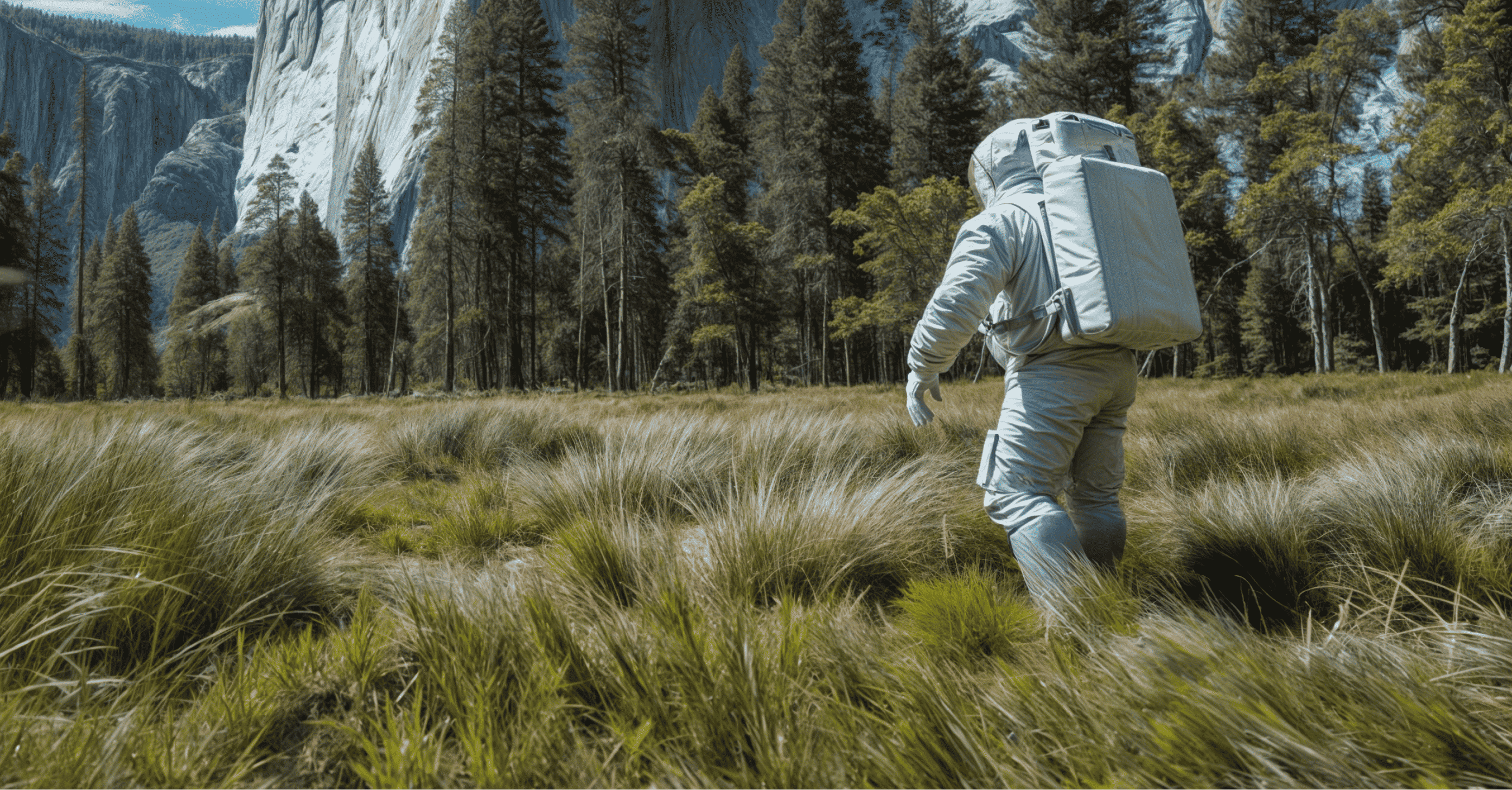
AI image generators like Midjourney, DALL-E and Stable Diffusion generate designs using patterns from internet datasets. The output is usually polished, but not brand-aligned. Most tools don’t natively retain or enforce brand context across generations.
These tools:
- Forget everything between generations. Even when you finally create on-brand assets, the next generation requires you to restate style, tone and constraints. You have to manually reintroduce context each time.
- Don’t properly understand you. Describing your brand in natural language doesn’t give the model a true understanding of it. It turns your words into visuals based on patterns it has learned, which might look close to what you want but don’t consistently match your brand.
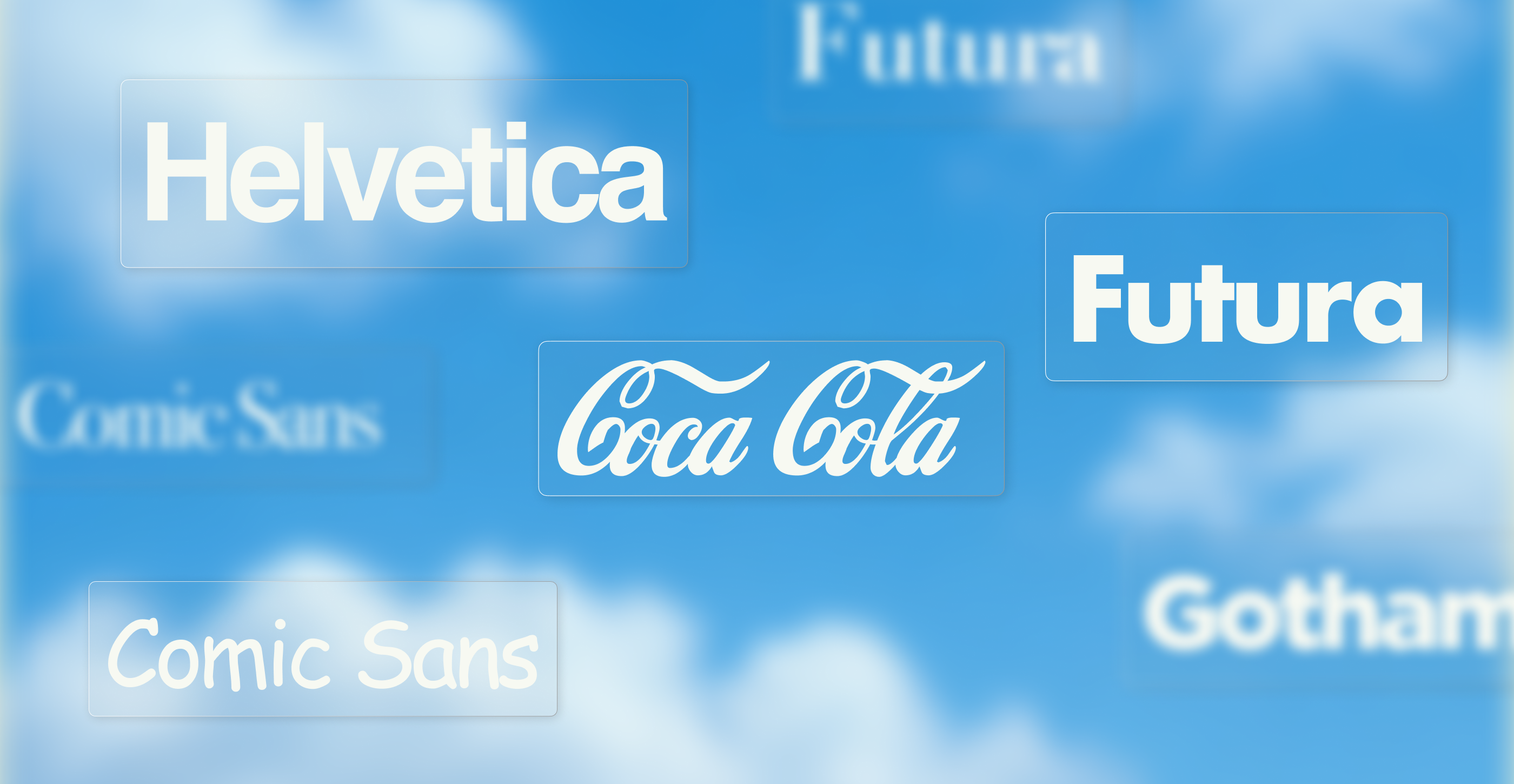
- Gravitate toward common aesthetics. AI models pick what’s most likely to look right, so they often fall back on familiar layouts, common color palettes and popular typography styles. This can result in work that looks polished but generic.
- Prioritize “safe” outputs over distinctive ones. AI tries to create what’s most likely to make sense. This means it usually produces safe, familiar visuals instead of something very specific or unusual (unless you give it extra guidance).
The hidden costs of “fixing” generic AI outputs
Many designers use generic AI systems in the hope that they’ll save time, but consistency and quality issues end up slowing them down.
At Superside, we often see the following scenarios:
- Prompt work multiplies. Because generic tools don’t retain brand context, creatives must repeatedly rewrite prompts, test variations and regenerate results to get closer to the desired look.
- Quality control slows everything. A human creative still needs to review outputs against AI design brand guidelines, content libraries, color usage, compliance requirements and legal considerations.
- The edit removes the speed. Generated visuals often need additional editing and formatting before they’re ready for ads, presentations, websites or emails.
- Brand drift compounds. With repeated use and frequent acceptance of “close enough,” designs gradually move away from established brand standards.
The real problem. Tools versus AI systems
Creative teams that produce off-brand, generic AI outputs usually don’t have a prompting problem. They simply lack a structured approach.
While a tool like Midjourney or DALL-E can generate a visual asset from a prompt, a good system adds context, memory, quality control and integration within the creative workflow.
Generic AI tools produce general results. Systems, on the other hand, incorporate brand assets, guidelines and processes to keep results consistent.
Take note. Detailed prompts alone aren’t enough. Without structure behind them, outputs will still vary, and teams will waste too much time correcting the results.
What on-brand AI design actually requires
If generic AI tools can’t deliver consistent brand alignment, the question is what will. A custom system built specifically around your brand and workflows is the answer.
Here’s what the setup of this type of system involves.
Custom training on your brand kit

It all starts with integrating custom AI image models. This step can involve training the models on approved brand images, so they learn your visual language, color palettes and style.
More advanced setups often use several models for different content types to use across marketing campaigns and channels. Some systems also incorporate competitor analysis and market signals, which allows teams to identify visual gaps and make more informed creative decisions.
Integration with AI design brand guidelines and systems

AI technologies work best when connected directly to approved design systems, product lifecycle management platforms and existing image libraries.
Strong systems also include built-in guardrails that flag design issues early and support real-time collaboration and approvals across designers, creative agencies and other stakeholders.
When integrated properly, the AI tools become part of the creative system, so there’s little need for manual alignment or rework down the line.
Expert human direction and refinement

Human expertise remains critical. Creative professionals should guide the AI tools and develop effective prompts, early concepts, mood boards, creative references and ideas before the system starts generating assets.
These professionals also play a key role once a batch of assets has been produced. Designers should review results and confirm brand alignment and compliance before rollout.
With each round of feedback and approved assets, the system also gains better context.
Quality control systems that ensure consistency
Strong QA processes help keep outputs aligned. The most effective setups use clear checkpoints (e.g., at initial generation, expert review, technical verification, stakeholder approval) and final production checks before any assets are rolled out.
Parts of this process can be automated. AI platforms can flag potential issues, check basic brand rules and help find inconsistencies across assets. But human reviewers should make final judgment calls and regularly audit the tools’ output.
Quality control also creates feedback loops. Teams note which outputs pass review and feed this info back into the AI model for future reference.
How Superside delivers on-brand AI at scale

Superside has completed more than 12,000 AI-powered projects and reduced design time by an average of 40%. Our customers have also saved over $4.5 million in creative costs in two years.
In practical terms, this means our customers were able to scale their creative output dramatically.
Generative AI trained on your brand kit
How do we get this right? We use custom image models trained on our customers’ graphics, photos and other assets rather than generic AI platforms to produce reliable, on-brand AI images, videos and more.
This results in:
- 10x faster production. Campaign-ready images are generated in hours, not days.
- Up to 85% lower costs. We reduce overall production spend and dramatically cut creative budgets.
- 100% consistency. For brands like Pixlmob, we’ve delivered high-quality brand materials twice as fast and ensured consistency.
The custom model development process
When you know exactly what your visual identity is (and can define it clearly enough for an AI system to follow), it becomes easy to build an on-brand AI design capability within your creative workflow.
If you decide to work with Superside, the process involves:
- Discovery and alignment. We’ll review your brand kit and existing visuals to get to grips with your visual identity.
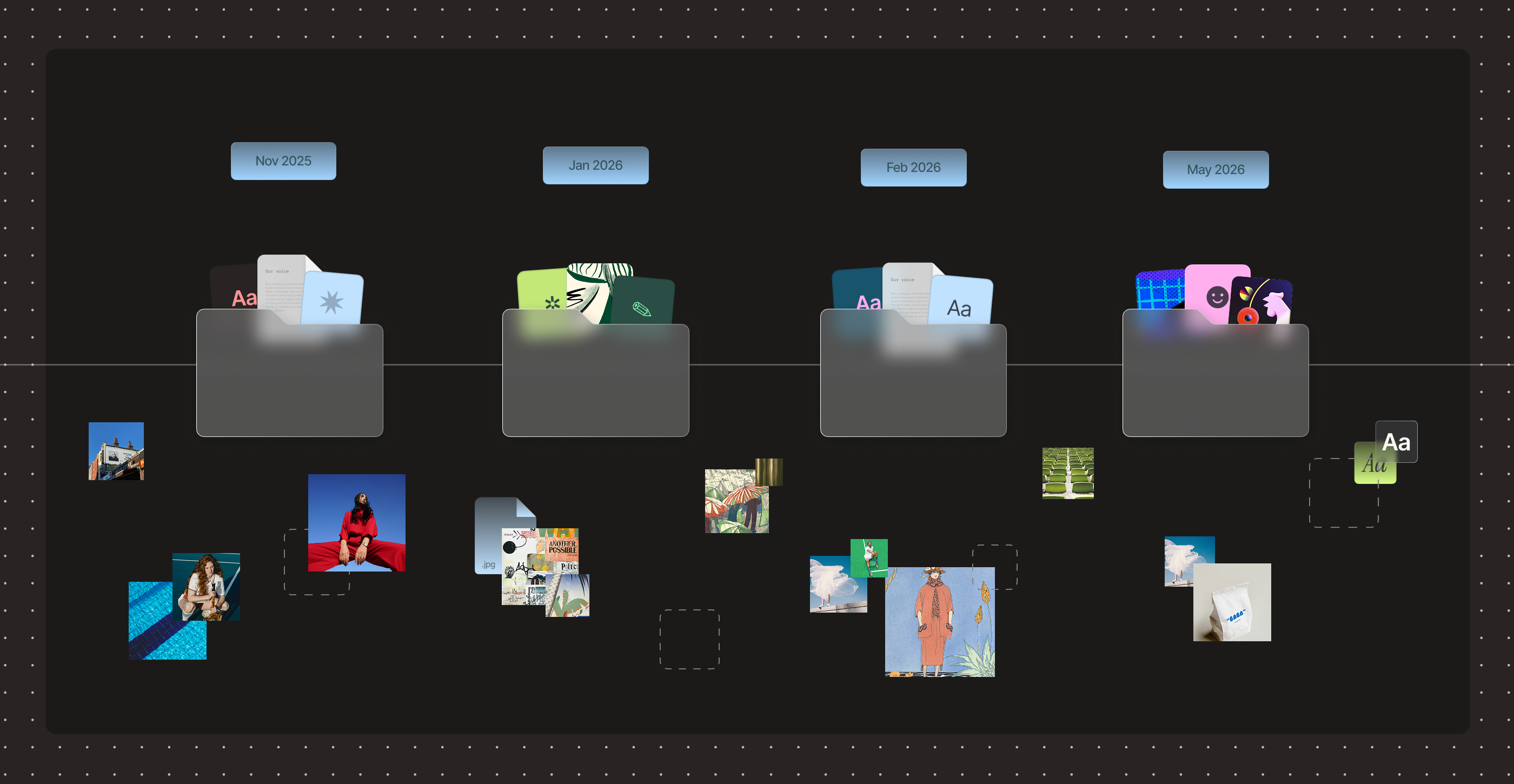
- Dataset curation. We’ll compile collections of 10 to 15 approved images and style references. We’ll then train custom image models to generate reliable, brand-consistent images.
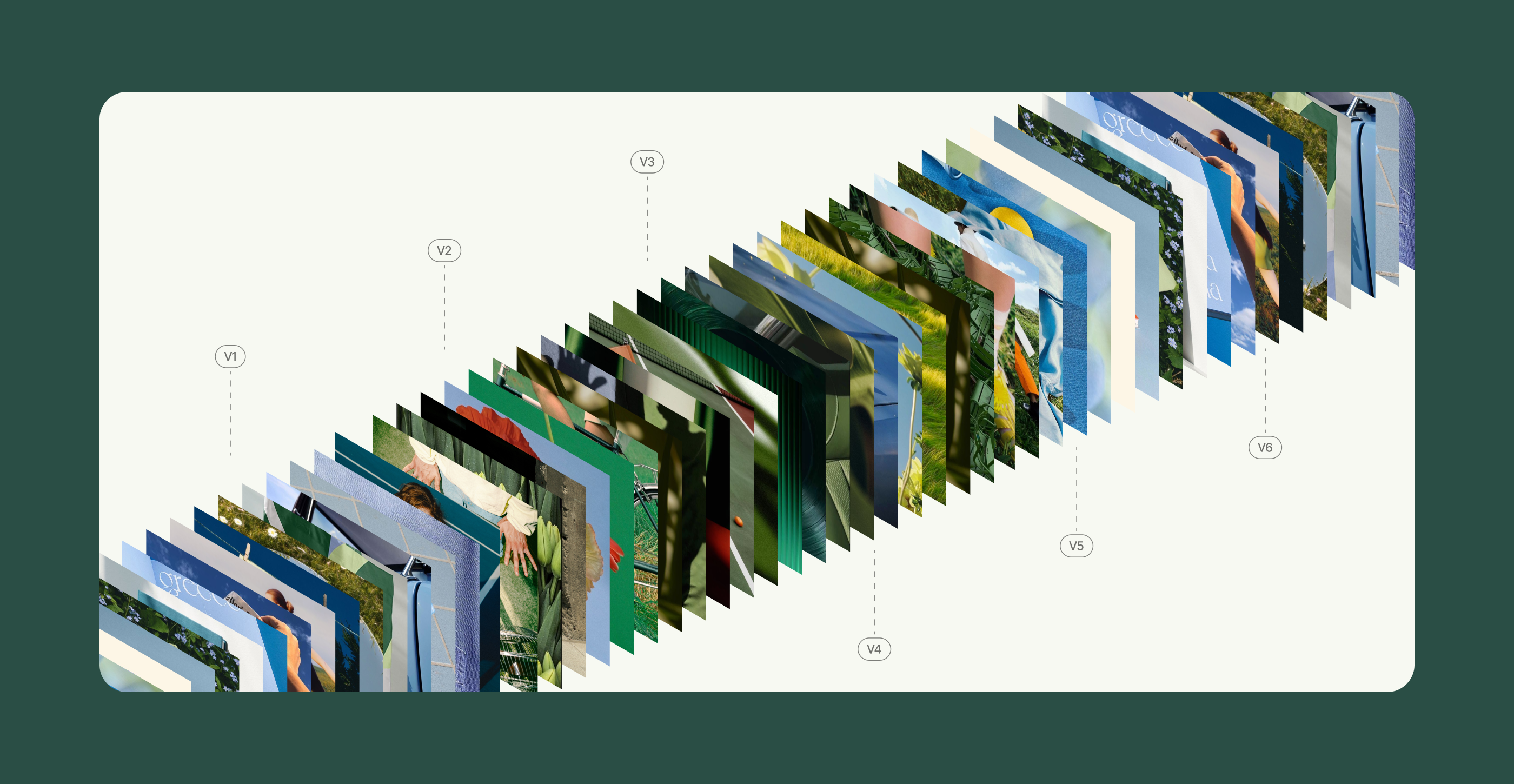
- Model training and testing. We’ll test multiple iterations and refine the results until the model consistently creates high-quality visuals.
- Integration. The AI models will be deployed directly into your workflows. Think Figma plugins, API access for developers and shared systems that designers, agencies and freelancers can all use.
- Continuous improvement. As your marketing operations and creative output scale, new context and performance insights will be fed back into the system. This helps the system keep improving over time, while human creatives stay firmly in control.
From mood boards to real results, on-brand AI design examples with Superside
Nothing demonstrates the power of a collaborative human-AI approach quite like real-world examples. Here, we unpack a few of the projects Superside has worked on.
1. Pixlmob

400+ designs, 2x pace.
When real estate photo and video editing provider Pixlmob refreshed its identity, Superside used AI to explore new color palettes, typography and sketch concepts for illustration styles and campaign visuals.
The outcome was a library of 400+ images created in record time. This approach helped Pixlmob double its design speed and maintain perfect consistency across all materials.
2. D2L Brightspace

114 ad variations, 70% time reduction.
Superside has mastered AI ad campaigns. When EdTech D2L Brightspace needed a large set of ads with consistent designs across multiple channels, including web campaigns, we were ready.
Using GenAI and expert Photoshop refinement, Superside generated 114 campaign variations in 70% less time, allowing the creative team to test ideas and ramp up quickly.
3. Boomi

3x creative output.
For a high-volume sales lead campaign, software firm Boomi needed a steady stream of campaign assets. Superside combined strong creative direction with generative platforms like Adobe Firefly and Midjourney to speed up production, helping Boomi triple its creative output.
4. Sailun Tire Americas

Custom Figma plugin for instant product images.
Sailun Tire’s marketing team relied on traditional stock photography and photo shoots until Superside introduced custom image models, delivered through Figma plugins integrated into existing workflows.
This approach allowed designers to export images instantly and speed up concept testing, as they could generate sketch versions of product imagery before full production. The team also no longer had to rely on stock photos or traditional photo shoots.
5. Maven Clinic

85% cost reduction.
When Maven Clinic rebranded, they needed fresh marketing materials, but traditional photoshoots felt slow and expensive. Superside proposed custom image models delivered through a Figma plugin, cutting production costs by 85% compared to traditional shoots.
6. Independence Pet Group (IPG)

12-hour turnaround for custom illustrations.
Insurance company Independence Pet Group needed a new illustration style for employer branding. With the help of advanced AI design features and expert direction, Superside generated custom graphics and refined them into a usable system in just 12 hours, a 90% time reduction. This helped IPG build a new visual identity quickly.
7. Synthego

$5,000 saved, 1,500+ reusable images created.
For World CRISPR Day, biotech company Synthego needed creative video content fast. Superside combined AI, motion design and expert creative direction to produce campaign videos, visuals and copy.
We saved Synthego thousands in production costs (roughly $5,000 in direct savings) and created more than 1,500 reusable assets for future campaigns.
8. Superside
Superside is the world’s largest AI-native creative agency. To prove it, we used our own Superspace platform, now with Brand Brain, AI-native experts and AI systems to completely rebrand ourselves.
We’ve helped plenty of customers level up their creative with AI across 12,000+ projects and counting. Take, for example, how we helped a Fortune 500 tech leader roll out AI across the firm, resulting in 25% efficiency gains across creative workflows.
Across industries, from biotech and SaaS to retail and fashion, Superside helps enterprise teams scale their creative operations while maintaining control, consistency and quality.
Why Superside’s approach works. Human + AI systems
Superside’s results come from systems that pair AI-native experts with AI systems.
Our approach includes:
- AI-certified creative professionals. Over 90% of Supersiders are trained in AI. These professionals know how to guide AI systems, write better prompts and maintain creative control.
- Proven AI frameworks. Superside has built more than 40 structured workflows for different brands, combining custom image models, expert direction and built-in checks.
- Experience from 12,000+ AI projects. With thousands of AI-powered projects completed, our creatives know what works (and what doesn’t).
- Custom models at the core. Superside builds trained models using approved collateral and integrates them with design systems, so designers can take ideas from rough sketches and concepts to campaign-ready visuals fast.
- Human creative direction first. Before we turn to AI, our creative experts define the style, build mood boards and plan the creative ideas, ensuring AI outputs and final designs match the brand and the campaign’s strategic goals.
Superside’s process for building on-brand AI design systems

Wondering exactly how Superside transforms generative capabilities into customer-specific, on-brand design systems? Here’s what our systematic approach looks like, step by step.
Step 1. Intelligence gathering
Before we build any custom image models, we make sure we deeply understand the brand. This involves:
- Brand asset review. We analyze style guidelines, approved assets, colors, fonts, logos and any other aspects that form part of the existing visual language.
- Workflow and success mapping. We explore current processes, needs and channels to identify where AI will add the most value and where human creativity should remain central.
- Success metrics definition. We align on what success looks like: specific time- or cost-savings targets, standards, integration requirements and outcomes.
Step 2. Custom model development
Next, we build brand-trained AI models tailored to each customer. This includes:
- Training dataset creation. Creatives upload imagery (minimum 10 to 15 images) and references that teach the model how to generate polished outputs.
- Model creation, training and testing. We develop appropriate (sometimes multiple) custom model types, e.g., style models for consistent artistic direction, fashion product models or character models for personas. The platform produces test iterations, which we review and refine.
- Benchmarks. Before deployment, we establish clear standards: the percentage of outputs that should pass review directly, the attributes that matter most for alignment and the acceptable variance ranges for color, composition and documentation.
Step 3. Integration and team enablement
Custom, brand-trained AI models only become useful when they fit into real design workflows. This step involves:
- Integration. AI is delivered through Figma plugins, API access and connected asset and PLM systems. As a result, designers can generate outputs inside their existing workflows.
- Training and documentation. Creatives are trained to use the models, maintain control and enjoy a smooth experience.
- Setup and continuous support. Superside helps integrate models into existing creative processes and approvals. We also provide ongoing technical and creative support.
Step 4. Performance monitoring and continuous improvement
Once deployed, the system continues to improve, thanks to:
- Performance tracking. Superside monitors creative output, production speed and consistency across campaigns.
- Feedback loops. Human reviews capture insights that help improve models and results.
- Model evolution. Insights from production feed back into model improvements. The models are trained on challenging asset types, and parameters are adjusted to improve consistency and expand capabilities. Documentation is updated to reflect best practices.
Thanks to our AI services, Superside customers see results improve over time. The custom systems learn from every interaction, becoming more accurate and efficient at generating high-quality creative assets for the brand.
The flexible plan advantage
Superside delivers creative through Flex team, Dedicated team and Custom plans that cover a wide range of creative services.
Our customers get access to custom image models, AI-native experts, AI systems and ongoing support as part of one predictable plan. This makes it easier to plan budgets, scale assets and maintain strong brand consistency across campaigns.
The model is also built for flexibility. Enterprises can ramp up creative output during major launches, web updates or global initiatives and reduce it when demand is lower.
Because Superside becomes an extension of your organization’s creative team, we continuously improve your AI models, make adjustments where necessary and help your creative teams produce polished, on-brand graphics and other assets that measurably perform.
Adopt an on-brand systems approach with Superside
Generic AI platforms promise speed. But they often create more work than they save. When creatives rely only on generic models, they typically spend hours fixing outputs and adjusting graphics to maintain AI brand consistency.
The answer is to flip the model on its head. Instead of adapting your brand to the available AI platforms, you can train the models on your brand. With custom image models, expert human direction and strong systems, your creative teams can produce consistent visuals fast and at scale.
That’s the system Superside has built. We offer the full spectrum of creative services, from designing social assets and presentations to videos and motion graphics. We also offer AI consulting services. And we’ve proven that the winning formula for on-brand AI isn’t tools. It’s systems that combine custom technology with expert human creativity.
Being AI-native means AI isn’t just powering individual tools. It’s embedded across the entire creative model, from how teams are trained to how brand knowledge compounds over time.
Time to get this right? Then it’s time to collaborate with an AI-native creative agency that delivers truly on-brand AI at enterprise scale. Learn more about our AI-native approach. In other words, it’s time to Superside it.
FAQs
$4.5M+ saved in creative costs in two years
Get real-world examples, results and insights
from over 5,000 GenAI-powered projects.
Stuck in AI testing mode?
It’s time to move from experiments
to real impact.
Explore AI Reset—a 5-step framework
to embed AI into your creative workflows.

How AI-ready is your team?
Take our free 2-minute assessment to benchmark your AI readiness and get:
- Your AI readiness score
- A snapshot of where your team stands today
- Curated resources to help you apply AI more effectively


45% more efficient creative
Our expert AI designers help you create, test
and launch multiple, impactful concepts at scale.
We'll get you to market sooner.
Skyrocket your creative performance using the best AI-powered teams
Get the world’s top creatives working with you,
empowered by AI design tools to deliver
high-quality, on-brand assets 30-60% faster.