Meet Roger, a content marketer driven by his love for online search, digital marketing, and performance marketing. When he's not immersed in the latest updates on Google, AI and social media, you'll find him passionately crafting strategies to simplify online searches for people, sparing them the frustration of navigating through endless pages. As a marketer, Roger Match has turned into the perfect match for Superside, helping us showcase our purpose, objectives and essence to the world.
It's just before 5 pm when someone asks whether the campaign assets are ready to go live tomorrow. Your stomach drops when you realize there are now 35 messages in the Slack thread.
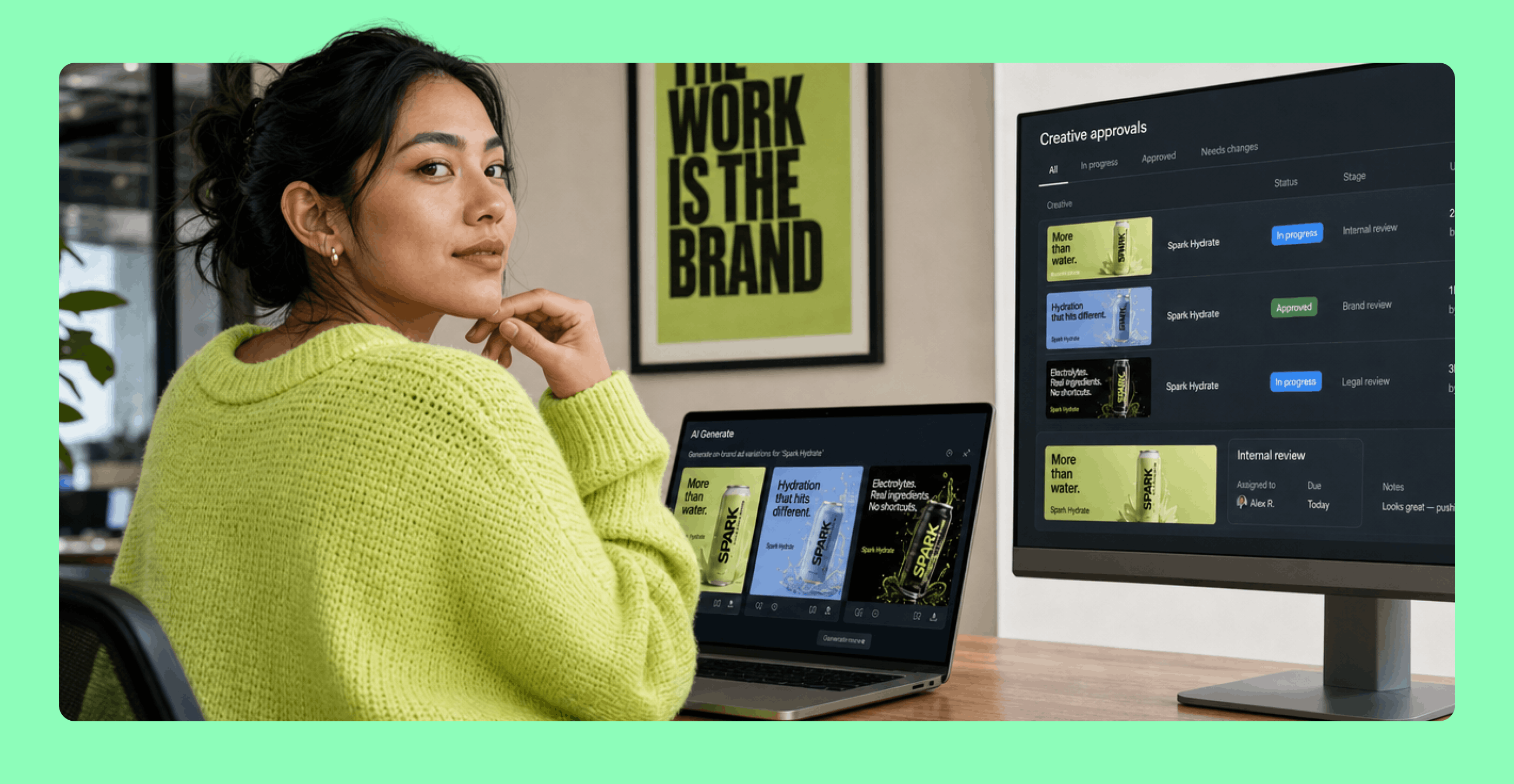
One person says the headline is "not quite us." Another has spotted that the product name is wrong. The brand manager asks who approved the image. And the creative director reacts with a thumbs-up, which nobody can interpret with confidence. Meanwhile, your AI tool has produced another 17 variations.
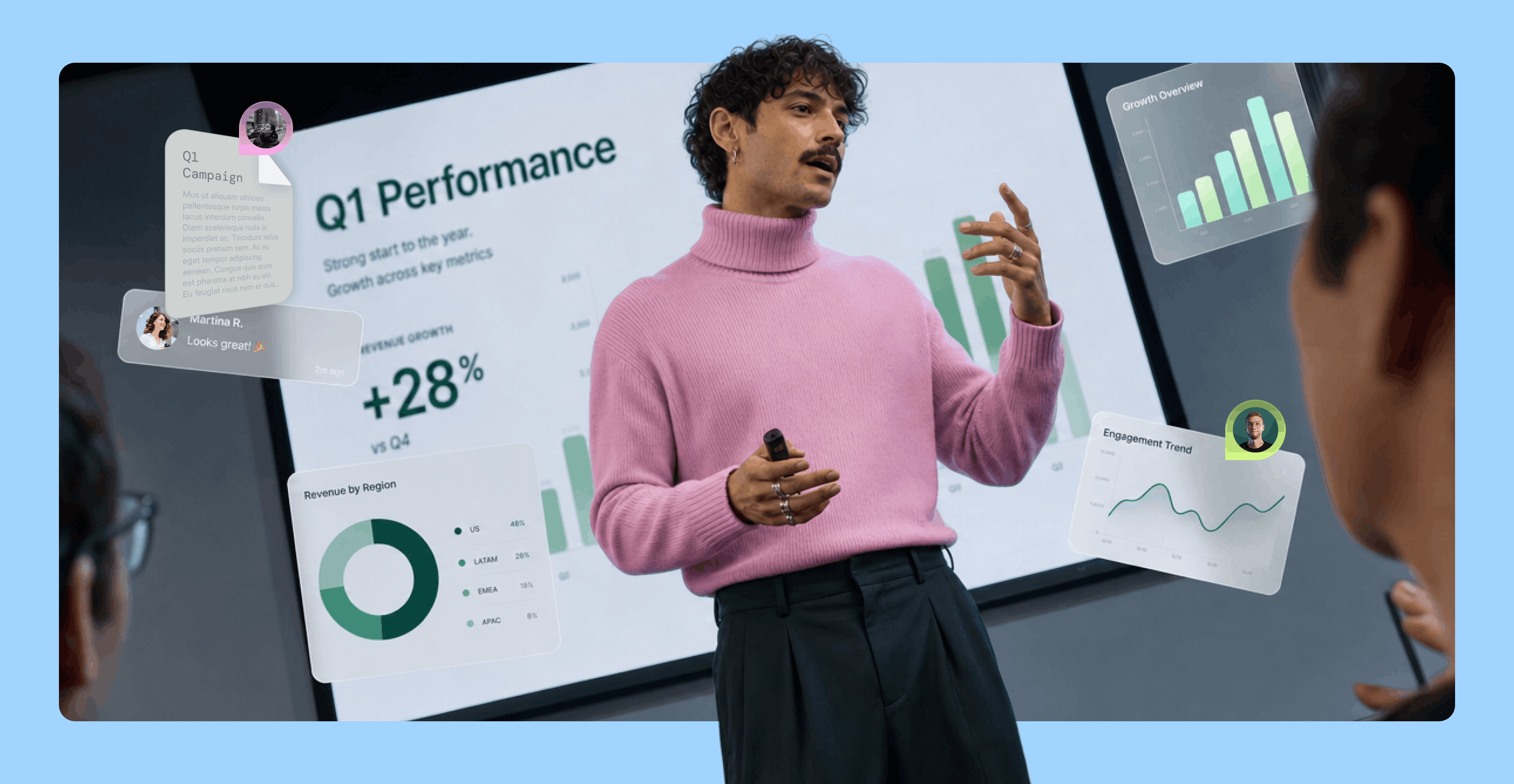
Presentations are often where important ideas meet the people who can move them forward: a sales story that resonates with an important customer, a business idea that lands with an investor or a strategy that makes the C-suite sit up and take notice.
Yet many enterprise teams still build most high-stakes decks themselves. They lose hours to formatting, wrestle with charts and animations, then pull outdated slides into new decks, often because they simply don't have the in-house design skills or capacity.
The best brand awareness campaigns tap into a feeling, a behavior or a cultural insight.
Nike made motivation feel like a three-word personal challenge. Coca-Cola turned packaging into an invitation. Each brand took a different route, but both gave people a reason to remember the brand behind the feeling.
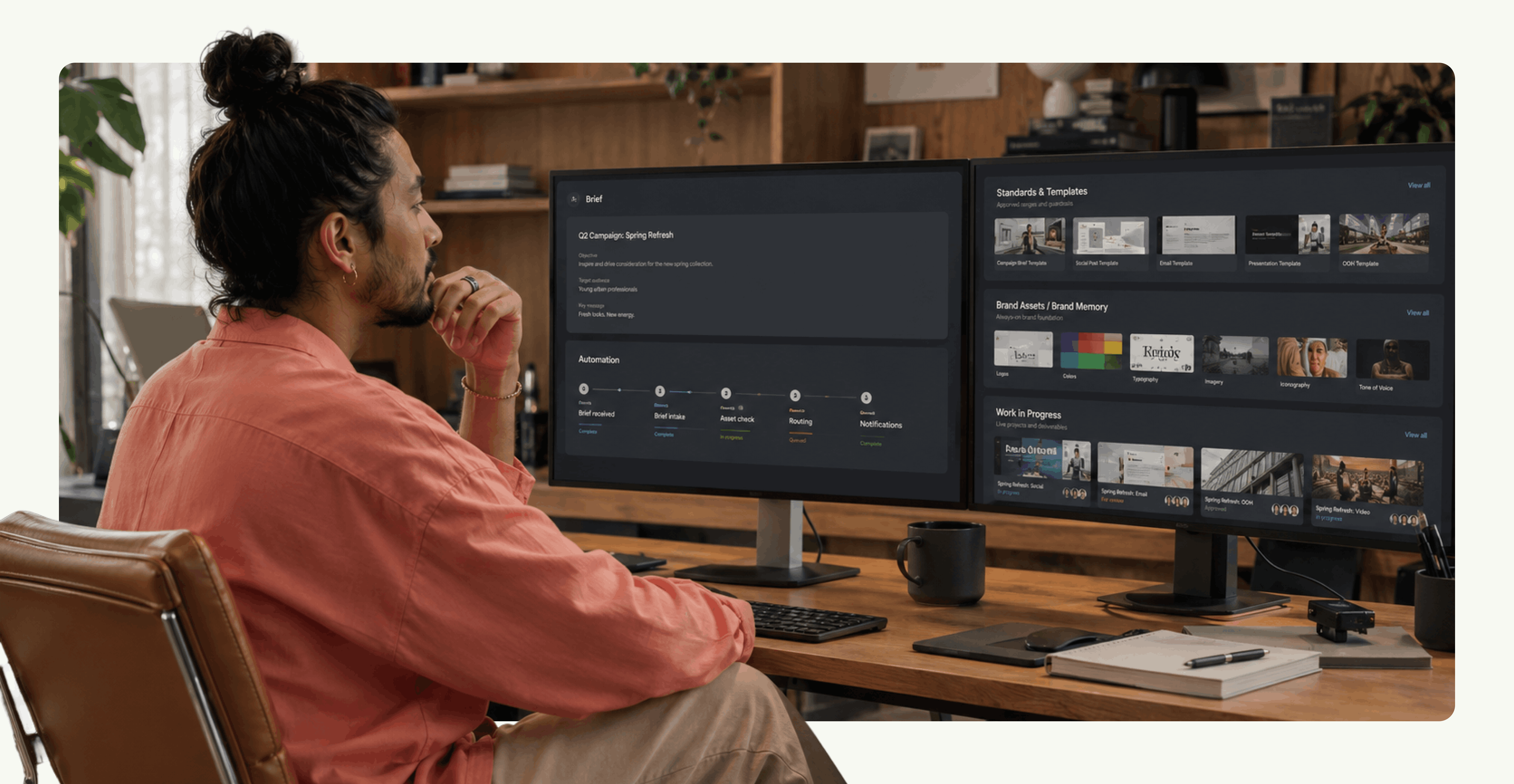
Many creative teams think better AI tools and sharper prompts will help them produce creative work faster. But faster generation doesn't automatically mean faster delivery. If approvals stall because the work isn't right, your team can generate assets in seconds and still spend days getting them out the door.
The reality is that AI alone won't fix your creative bottlenecks. Added to a chaotic creative production workflow, it may even slow things down. True speed comes from a strong underlying system.
AI has become every agency's favorite calling card. But adding "AI-powered" to a capabilities deck doesn't make an agency the right partner for your enterprise.
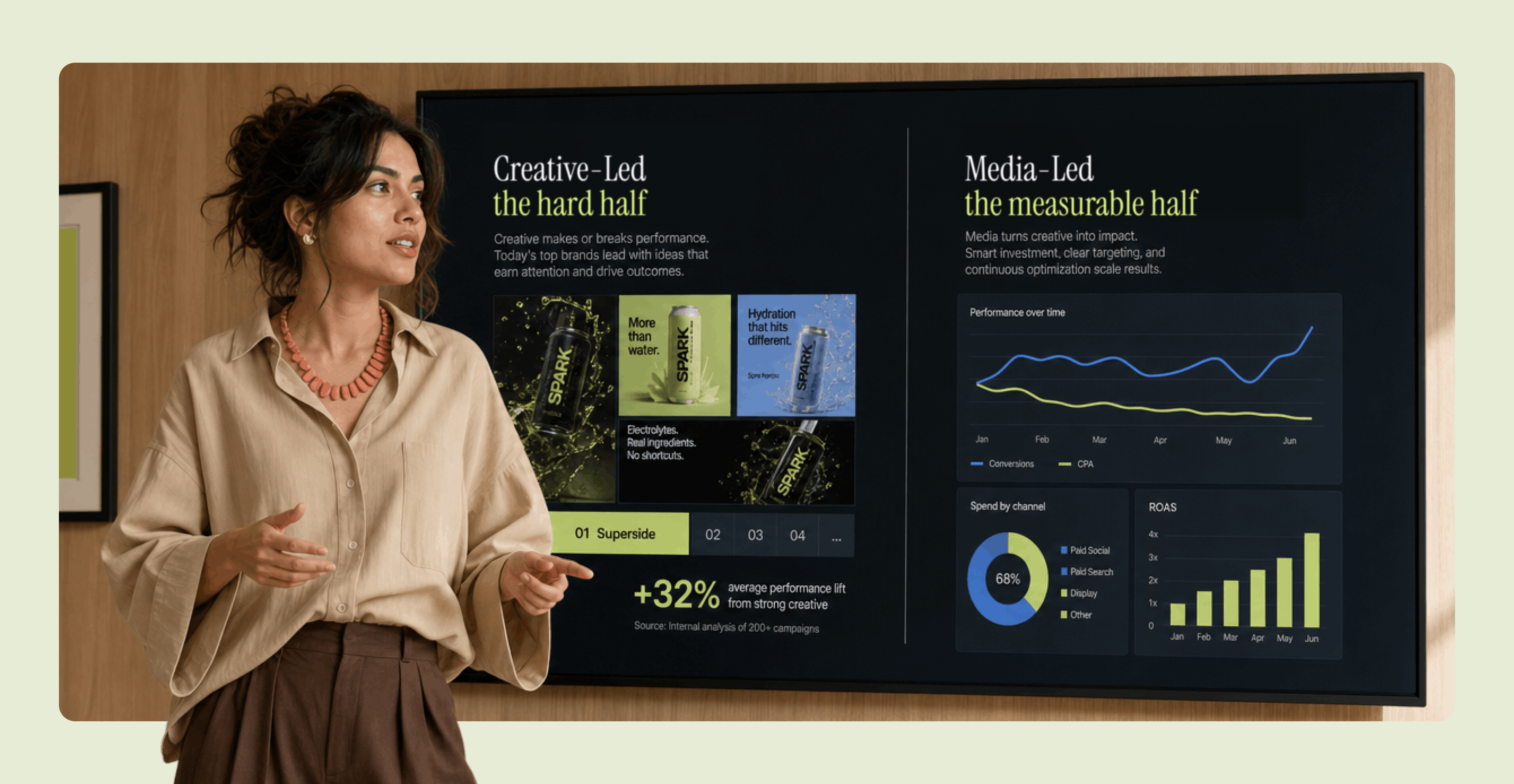
The first step is to understand what kind of help you need. Some AI marketing agencies use AI to produce more creative, faster. Others use the technology to buy media and optimize creative performance. Confuse the two, and you could end up with an impressive partner that does very little to move your brand forward.
It's easy to design around what your business wants to launch or what a new technology can do. It's much harder to step back and ask whether a product, service or system solves a real problem for the people expected to use it.
That's the job of human-centered design (HCD). It brings people into the process, replaces assumptions with research and treats testing as a source of learning rather than a final box to check. The result is a solution that provides genuine value and fits the wider context of people's lives.
If your company is like most enterprises, your marketing team needs to produce more creative, faster, than ever before.
Generic AI image generators can help boost creative capacity, but getting a tool like Midjourney or DALL·E to produce visuals that look unmistakably like your brand is tough. And when every asset needs another round of prompts and edits, AI's speed gains quickly disappear.
Right now, many enterprise creative teams have an uncomfortable problem: the demand for creative output keeps rising, while team capacity doesn't keep pace.
Our Breakpoint report, based on a survey of more than 300 creative and marketing leaders, found that 86% of teams are already at or over capacity and 70% of leaders report burnout. Because 51% of creative teams' projects are considered high priority, many feel it's nearly impossible to keep up.
AI SaaS product video makers have become genuinely good. Within minutes, they can turn a demo script, a screen recording or a URL into a watchable product video, in dozens of languages, at a cost that would have been impossible a few years ago.
But any experienced creative leader will tell you that a truly standout, on-brand video doesn't just happen. At enterprise scale, every product video must fit into a cohesive brand narrative across platforms, accurately represent the real product interface, communicate a strategic message and clear a craft bar that speedy, generic AI output rarely meets.