Ex-copywriter turned content strategist with two decades of creative chaos under her belt. She's helped scale content, brands and frozen pies—yes, really. Now? She empowers creatives to work smarter, not smaller.
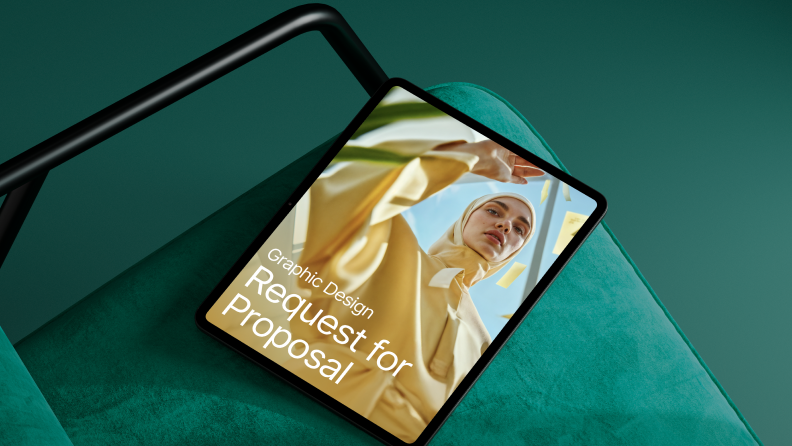
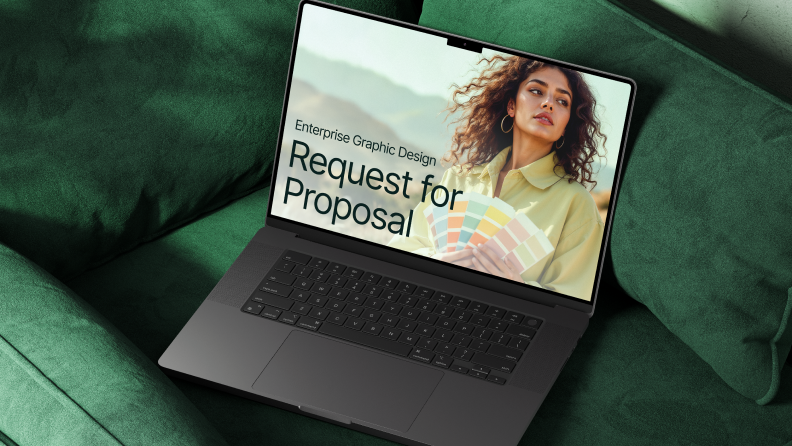
Enterprise companies use graphic design requests for proposals (RFPs) as part of a coherent, systematic process for evaluating prospective outsourced creative partners.
Once a creative services RFP has been issued and the prospective partners have submitted their responses, it’s time to objectively compare these bids based on key criteria ranging from the quality of the creative to how each partner best supports your team.
You need more video and you need it fast… and cost-effectively… and like yesterday! Can AI really help? What’s it good at—and how can you ensure consistent quality?
Demand for video keeps increasing, with 95% of marketers considering it a strategic imperative. Similarly, 96% of creative leaders realize that AI will help everyone get to market faster.
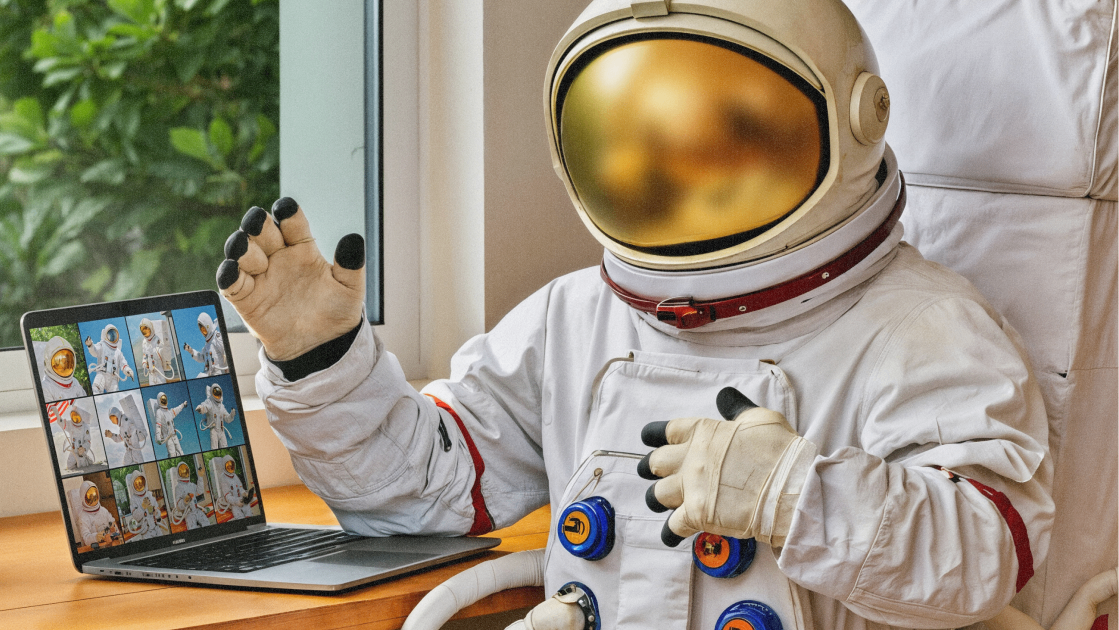
AI image generators are built to impress. But they aren’t built to learn your brand—making consistency and scalability a challenge for creative teams.
That’s where custom AI image models come in. Trained on your brand’s visual identity, they help your team produce consistent, high-quality outputs—without wasting time on prompt engineering or post-production fixes.
You’ve got a set of brand icons—and now you need more. A lot more. Your lifestyle image library? Decent. But not quite right for the idea you’ve got in mind. And, at this point, you’re pretty sure your customers are playing bingo with all the recycled shots.
AI is fast and efficient. But most off-the-shelf image and illustration tools (foundation models) are trained on generic data. You can prompt them and share samples. You’ll get close—but never close enough.
Remember a few short years ago when generative AI was the shiny new buzzword?
Now the hype is settling and excitement is more tempered as creative teams shift from early experiments to deeper integration—aiming for real mastery and ROI.
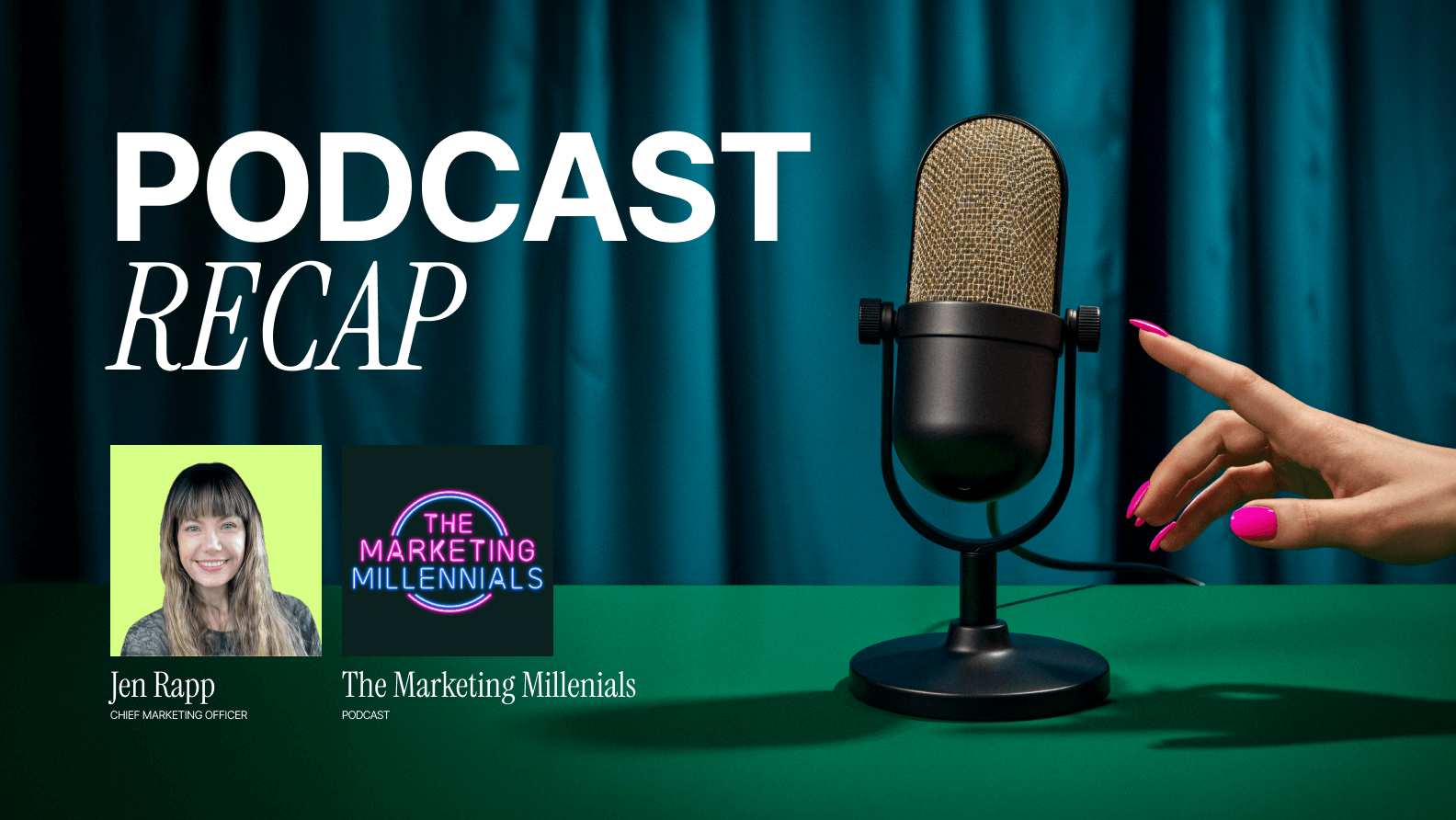
Love The Marketing Millennials podcast? So does Superside CMO, Jen Rapp. When she was invited to come talk about the struggles of in-house creative teams, her podcast-bucket-list-moment turned into an insightful look into the inner workings of internal creative teams.
In addition to how she became an accidental marketer, she shares why these teams are so stressed, how to better communicate with creatives right from the start and why you can’t always predict what will perform—the flaming burger edition.
For enterprise and mid-market businesses looking to enhance their creative capabilities and scale overall capacity, issuing graphic design RFPs are an essential part of the formalized procurement process for agencies, contractors and other external partners.
RFPs create a structured, transparent framework for assessing and comparing service proposals from different outsourced creative partners.
Creative agency requests for proposals (RFPs) are conversation starters—incredibly important icebreakers.
Mid-market and enterprise teams issuing the requests are introducing their brands, key business challenges and expectations of their creative service partners.
Global agricultural technology leader, Syngenta uses science to advance crop production. However, even the most cutting-edge innovations must work in harmony with nature. Attracting pollinators, like bees and butterflies, Operation Pollinator helps boost crop yields.
But what does this have to do with using AI for ad creative? When guided by human ingenuity and expertise, AI is a catalyst that lets you quickly explore and refine ideas.