




Category
Leading a team—or an industry—is no small feat. Workloads are heavy and timelines are tight, but we’ve got your back. Get insights that make the grind easier and the wins even bigger. Creative Leadership
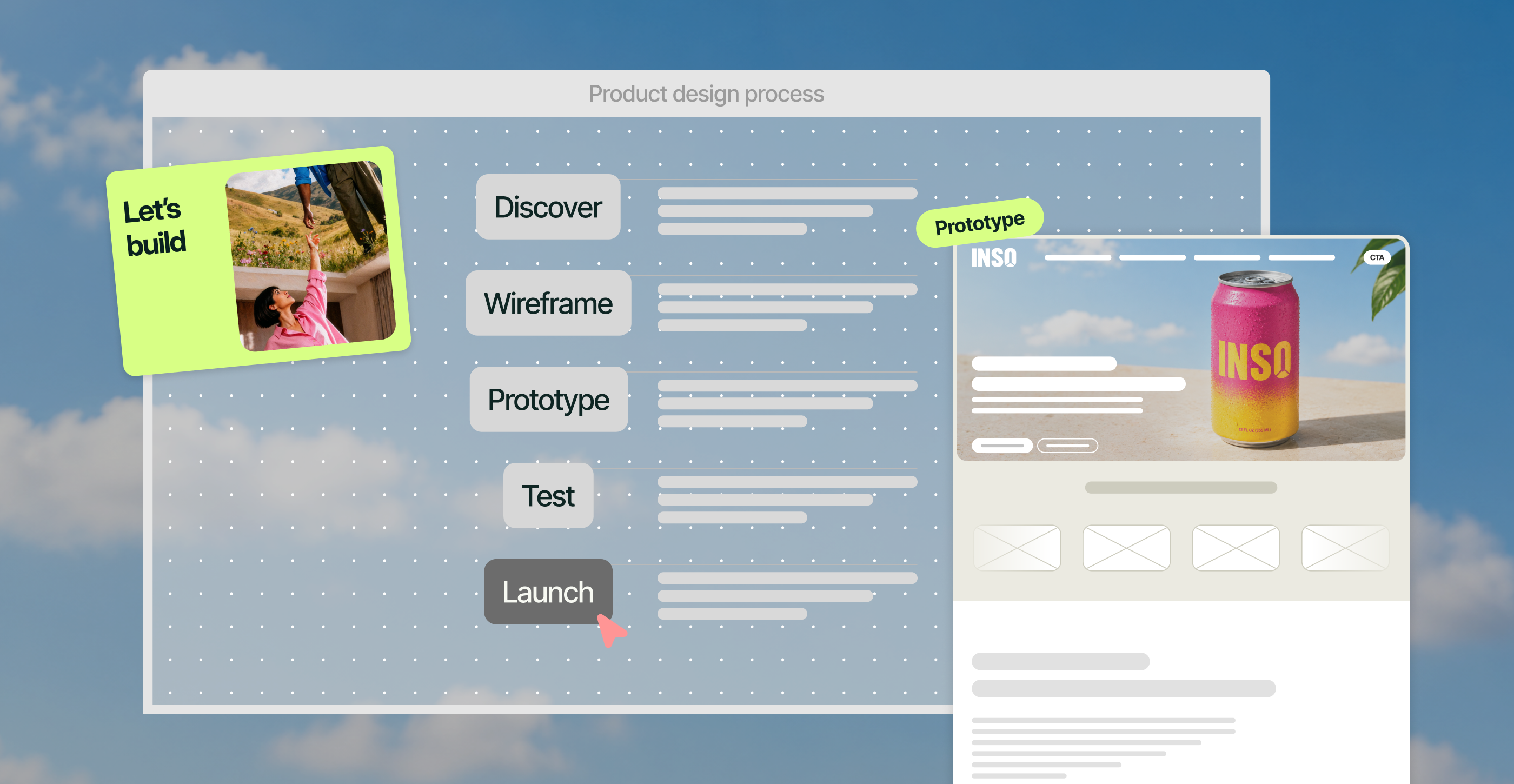
11 product design consulting firms worth shortlisting in 2026
Design used to be the pretty bow added at the end of a product project. Over the last few years, that has changed. Digital products are now one of the main ways companies deliver value, and the quality of the experience directly influences adoption, retention and revenue. A confusing signup flow or messy dashboard doesn't just annoy users. It quickly eats into profits.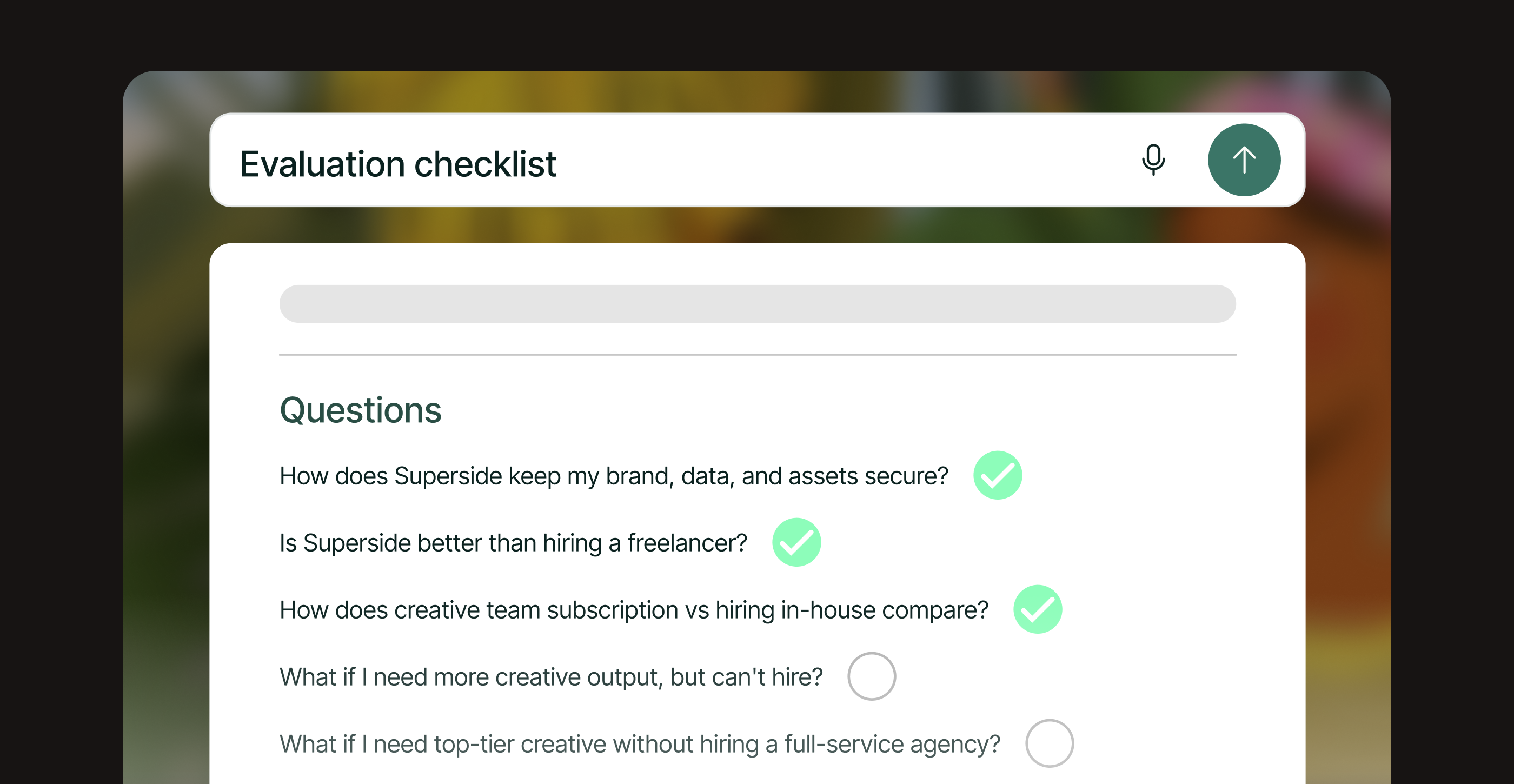
12 sets of questions to ask a design agency before hiring it in 2026
A solid design agency or creative partner can change how much your team gets done, how consistently your brand shows up in the world and how quickly your campaigns reach the market. Many agency evaluation checklists stop at portfolio, price, design processes and timelines. Those elements matter, but today's enterprise marketing teams also need to understand how a potential design partner uses AI, protects data, maintains brand consistency and responds when creative demand spikes.
Finding a design partner, not just another vendor: A 2026 guide
Finding a design partner can look deceptively simple. Find a team whose work you like, check that you can afford them and make sure they can meet your deadlines. But if you're looking for a partner who'll support your creative team for years to come, there's much more at stake. The right partner plugs into how you work and gives you access to specialist skills and capacity when you need them most.
How to prevent creative production burnout while scaling your team
Hiring adds capacity, but it doesn't remove the friction. Below you'll find how to spot creative operations debt in your team, what to check on your own side and how to get better output from the creative partnerships you already have. Most marketing leaders facing creative production burnout assume the answer is hiring. Add another designer, bring on a contractor, expand the team.
Superside vs. Design Pickle: which creative partner is right for your team?
The creative bottlenecks in your workflow keep growing. Leadership expects you to support more channels, more formats and faster campaign cycles, yet your team hasn't grown in years. You're far from alone. Our research shows that 4 in 5 marketing and creative teams are at or over capacity, and seven in ten creative leaders say their internal teams are burning out. At the same time, there's little sign the pace of marketing is slowing. If anything, the demand for more creative output is only speeding up.
Creative debt, the problem nobody talks about in 2026
Software teams have a term for what builds up when teams keep choosing the fast fix over the right one: technical debt. It's a powerful metaphor that translates a fairly abstract problem into the financial language business leaders understand. All business leaders know that unmanaged debt eventually limits growth. Marketing and creative teams have the same problem, at the exact same scale, yet almost no one has named it. Creative debt is the accumulated cost of every rushed, off-brand asset that's live, every campaign that outlived its relevance, every outdated template still used after a rebrand and every legacy logo that still lurks in sales decks.
What happens to creative quality when you scale too fast
Most enterprise creative and marketing leaders have lived this sequence. The company grows, campaign volume climbs and media spend increases. The business wants more, more, more. At first it feels like momentum, and the team rises to the challenge. Then bottlenecks pile up, quality and consistency start to slip, and nobody is quite sure how to fix it.