





In a mobile-first world, desktop-first thinking is a death sentence. Slow, unresponsive websites deliver poor user experiences, erode trust and hurt your bottom line. Brush up on mobile design principles, explore the world’s top mobile-first web design services, and learn why Superside should be your web design partner of choice.
With 62.5% of all web traffic now coming from mobile devices, a website’s mobile experience is no longer one channel among many. It’s the first impression, the conversion path (and often the only chance you get) to turn people into customers.
Yet many brands still treat mobile as an afterthought, creating frustrating desktop-first user experiences. And website pages that load too slowly on mobile, layouts that break on smaller screens and customers who get lost in cluttered pages means leads that bounce to competitor sites.
Mobile-first web design operations that tap into well-structured design systems, responsive frameworks and scalable creative collaboration are the only solution. But many brands simply don’t have the internal bandwidth to implement the enterprise website design systems that’ll get them there.
This article shows a strategic overview of the importance of mobile-first creative web design for enterprises and what to look for in a partner. We also share our handpicked list of the best mobile-first web design companies that can help you deliver high-performing, conversion-driven web design at scale.
Why mobile-first web design matters for enterprise brands
Before we take a closer look at our list of the best web experience design partners, it’s let’s see why mobile-first marketing design should be a top priority.
1. Mobile-first is now the default customer journey
Nearly every customer who interacts with your brand will use a mobile device at some point, and many will complete the entire journey from awareness to purchase on mobile. That includes 80% of B2B buyers.
In fact, today’s customers spend an average of 3.5 hours a day on Android and iOS devices. By 2030, mobile traffic is expected to triple. In other words, mobile it’s the dominant channel, and its role will only expand.
One risk of thinking “desktop-first” is the damage it does to your credibility. Roughly 60% of users don’t trust brands that haven’t optimized for mobile. If your site feels clunky, slow or hard to use on a phone, users won’t just bounce. They’ll lose faith in your entire offering.
When small frustrations repeatedly interrupt the buyer journey, they ultimately translate into substantial revenue leakage for enterprise brands. Think lower engagement, abandoned carts, more support tickets and fewer sales on a grand scale.
Mobile-first design has, therefore, become a baseline standard. It prioritizes readability, a clear information hierarchy and thumb-friendly navigation to create a smooth, intuitive experience across any screen size. When mobile use is effortless, website visitors linger longer, engage more and view your brand as more trustworthy.
To get mobile-first right, it’s critical to focus on a few fundamentals: Readability, touch-friendly interactions and an information hierarchy that allows users to scroll logically through pages. Page load speed is also critical, as even a 1-second delay can reduce conversions by 7%.
2. Enterprise websites are complex, and mobile exposes every weakness
Many older enterprise websites weren’t built with mobile in mind. They started as desktop-first sites and, over time, accumulated hundreds of pages, inconsistent components and outdated design patterns.
These elements often go unnoticed on desktop, where large screens and forgiving layouts mean users don’t see every tiny flaw. But on mobile, they become hard to ignore.
Because of these legacy design issues, mobile users often experience problems like:
- Longer load times.
- Navigation that requires excessive scrolling.
- Forms that are difficult to complete.
- CTAs that are too small to tap.
- Content layouts that bury key information.
On the enterprise level, these issues don’t just affect a handful of users. It affects millions and directly impacts revenue.
3. Mobile-first improves performance and SEO
Speed is critical across all devices, but mobile users are particularly sensitive to slow load times. Around 53% of users will leave a site if it takes longer than 3 seconds to load. In turn, B2B sites that load within a second have a 3x higher conversion rate.
Since Google introduced mobile-first indexing, pages that load faster have also seen better search rankings. Meanwhile, sites with poor mobile metrics often rank lower.
But speed is just one part of the performance equation. Clean, intuitive UX design is just as critical because it helps reduce bounce rates and encourages users to stay and engage with your content.
Many factors go into great visual design for the small screen, but there are a few indicators that can help you sort poor design partners from the best modern web design agencies. The list includes:
- Legible layouts and crystal-clear typography.
- Motion elements that enhance the experience.
- Strategic CTA placements and smart landing page design that drive user engagement and conversions.
These visual elements make the mobile experience feel like a true part of your brand, not just a scaled-down version.
The most effective solution is a well-structured design system that standardizes UI components, templates and functionality. This makes it easier for creative teams to build and launch new pages, maintain optimal performance and drive high search rankings.
4. The brand impact
Another major advantage of mobile-first design is its power to build your brand. This is especially true in high-growth mobile-dominant markets where mobile is the entire brand experience. Users who don’t have access to other brand touchpoints use the mobile experience to assess professionalism, quality and reliability.
How to get there: To successfully execute mobile-first design at enterprise scale, you need to combine strategy, superb UX, design systems, creative craft and operational capacity.
The easiest way to orchestrate this is to partner with an expert enterprise web design service such as Superside. When you have a partner who knows how to balance the need for speed and scale with high-quality, conversion-focused design, you can deliver mobile experiences that feel premium, perform flawlessly and drive business growth.
9 best mobile-first web design services for high-performing enterprise brands
Ready to find your perfect match? Our list of the nine best mobile-first design services for 2026 is the best place to start.
1. Superside
As the world’s leading AI creative service, mobile-first design isn’t an add-on at Superside.
It’s built into how we work.
Every web page, experience or product we design is built with mobile behavior in mind, so customer journeys stay clear and consistent on any screen.
We’ve partnered with enterprise teams across B2B and B2C, supporting everything from everyday content production and landing page design to high-stakes web launches.
With customers such as Amazon, Reddit, Shopify and Vimeo in our portfolio, Superside is known for delivering the strategic depth, speed and reliability enterprise-level teams need from their creative partners.
Core specializations:
- Design systems expertise: Superside doesn’t merely design good-looking landing pages, products and other standout web assets. We help enterprises create design systems that deliver cohesive visual identities across customer touchpoints and screen sizes. These systems act as a single source of truth for how each customer interaction looks, feels and behaves.
- Mobile-first UX thinking: Our Webflow-certified experts are ahead of the curve in small-screen UX design. Think clear hierarchies, readable typography, scroll-friendly layouts and navigation that’s optimized for how people actually interact with content on mobile. In fact, our landing page designs routinely boost conversion rates by 30% or more.
- AI-enhanced workflows: Superside’s AI-enhanced workflows combine the best of AI with the best of human creativity, delivering an approach that’s fast, iterative and scalable across campaigns and projects.
- Dedicate creative pods: You get your own creative team that builds deep brand knowledge.
- Always-on production capacity. With team members spread across the globe, you get the designs you need when you need them.
- Repeatable systems for large web redesigns: We use component libraries, templates, layout blueprints and reusable elements to easily add new pages to your website on demand.
- Cross-channel creative integration: Because Superside works across a wide range of creative and strategic channels, we know how to deliver mobile-first for every imaginable asset.
We use AI to speed up version rollouts, adapt content and page layouts, streamline QA checks and ensure designs work cleanly across mobile breakpoints. Our curated network of world-class creatives is involved at every point of production to ensure truly top-quality creative gets delivered.
Our mobile design aligns with best practices in video, motion, graphic design and branding. That’s something single-focus web studios can’t match, and it ensures a cohesive, mobile-friendly experience across every touchpoint.
These capabilities allow global teams to rapidly change layouts as needed across devices, regions, campaigns and concepts.
- Enterprise fit: Superside’s creative approach lets us scale high-quality, brand-consistent designs faster than traditional agencies, freelancers or small studios can.
- Strengths: You benefit from AI-driven creative workflows built for super-fast, top-quality mobile-first outputs, without the high costs or frustrations typically associated with traditional agencies or freelancers.
- Best for: Enterprise-level companies that need to get from brief to high-performance web designs in record time.
2. Clay

(Source: Clay)
Clay is a full-service UI/UX design and branding agency with an impressive customer list that includes Google, Meta, Slack and Sony.
It started as an agency focused on UX design for mobile apps and enterprise software. Over time, however, this team has expanded its services. Clay now also offers brand design, web development and creative assets ranging from illustration to animation.
Core specializations:
- Enterprise UX and mobile-first thinking: Because Clay started as a mobile-first company, this team has extensive experience designing for smaller formats. They’re known for delivering touch-friendly interfaces that prioritize intuitive navigation and visual hierarchies that work across different screen sizes.
- AI-infused creative workflows: Like other top creative agencies, Clay uses AI to enhance scalability and the breadth of creative outputs it can deliver. The team uses AI to boost creative efficiency, improving turnarounds while still delivering the benefits of human expertise and strategic thinking.
- Wide-ranging industry expertise: Though Clay focuses largely on customers in the fintech, crypto and Web3 spaces, the team also works with B2B and enterprise software companies and designs for the broader tech industry.
This range of experience makes Clay a versatile partner for enterprise-level companies in these verticals.
- Enterprise fit: Clay differentiates itself from many other large agencies by having co-founders who directly lead their teams. This ensures every company benefits from years of enterprise-level experience and strategic thinking.
- Strengths and limitations: Clay’s portfolio spans mobile apps, enterprise software and marketing design. That means this team can meet most enterprise needs. The downside? Expect to pay a premium, especially for extensive web redesigns.
- Best for: Tech companies and SaaS brands that need comprehensive digital transformation.
3. Webstacks

(Source: Webstacks)
Webstacks specializes in transforming outdated web properties into fast, high-performing websites.
The company’s approach focuses on close collaboration with enterprise marketing and engineering teams to deliver agile web design that can quickly be adapted to meet new objectives and marketing goals. Its mobile-first strategy involves performance edits and systematic improvements to continually optimize web pages.
Core specializations:
- Composable architecture: Webstacks’ core approach is “composable” website architecture. That means they help companies build modular web platforms that give marketing teams control over content and page creation through interchangeable components. Updating product or campaign pages becomes much easier, which cuts reliance on backend developers.
- Mobile-first responsiveness: The Webstacks team has extensive experience with mobile-first design, enabling them to build sites that scale well and remain responsive across all screens. The team also has a proven track record of baking strong UX into its products, grounded in accessibility and best practices.
- Website redesign and migration: The team uses a systematic approach to restructuring and migrating websites based on their composable architecture.
This crew is a good choice for teams that need a comprehensive audit of their existing sites and a methodical improvement plan.
- Enterprise fit: Webstacks integrates into its customers’ sprint cycles, maintains dedicated Slack channels for real-time collaboration, and provides transparent pricing.
- Strengths and limitations: Webstacks is primarily a web design and development agency with extensive expertise in backend development and frontend design. However, if you’re looking for a partner to help you meet other creative and marketing needs, another service provider may be a better fit.
- Best for: Enterprises that need scalable, composable websites with interchangeable stock elements that their marketing teams can quickly update.
4. Baunfire

(Source: Baunfire)
Baunfire is a full-service agency that offers web design, UI/UX design, marketing strategy, SEO and motion graphics.
It offers both project-based and ongoing design services with a specialized focus on responsive design. This includes website designs that work equally well across desktop, tablet and mobile.
Baunfire’s attention to detail and deep expertise have earned the agency some big-name customers, including Nike, Google and Netgear.
Core specializations:
- Strategy-led design and ongoing optimization: Baunfire prides itself on a strategy-led design process that includes a discovery phase and a strategic planning phase that results in a clear list of action items.
- Intuitive UI/UX design: Baunfire’s portfolio demonstrates the company’s ability to create user-centric, behavior-driven designs. This isn’t surprising when you consider that their team includes a strong mix of exceptional user experience strategists, interface designers and creative web developers.
- Insights and analytics: Baunfire offers a wide range of analytics options for enterprise brands. This team also has experience with GEO, SEO, A/B testing and engagement tracking.
Once a site is launched, this team closely monitors performance and analyzes results to improve outcomes, making them a strong partner for long-term collaboration.
- Enterprise fit: Baunfire has a proven track record of improving key enterprise metrics, such as user engagement and conversions. It’s a good option for teams that need to demonstrate value from the start.
- Strengths and limitations: A combination of creative direction and strategic thinking makes Baunfire a good option for most mid-scale to enterprise-level companies. However, pricing is on the higher end of the spectrum.
- Best for: Baunfire is a Silicon Valley original. This team is a good potential fit if your company is in the tech industry.
5. DD.NYC

(Source: DD.NYC)
With over a decade of experience, DD.NYC has designed and developed 300+ websites for customers across industries, from real estate and healthcare to high-tech manufacturing.
Its expertise includes corporate landing pages, WordPress designs, custom web design and animation. DD.NYC also has a strong grounding in mobile-first design.
The team also does branding, packaging design and video production.
Core specializations:
- Headless CMS: DD.NYC’s web design is based on a headless CMS (Content Management System) approach. That means your internal teams can manage site content, like text, images and videos, from a central dashboard with no coding experience.
- Brand support: With deep experience in product design and trade show work, the team also brings a strong command of brand design. On the web design side, this translates into a detailed process for mapping out brand goals and tailored design and UI/UX flows that support key objectives.
- Step-by-step framework: DD.NYC uses a structured yet flexible framework for new web design projects. This includes an extensive discovery, design and development phase. It also involves ongoing performance monitoring and training for internal teams.
The team’s proven mobile design system maps user motivations across the buying journey to determine how content should be organized.
- Enterprise fit: DD.NYC offers ready-made web design with tools for collaboration and a built-in, structured approach. This approach works well for enterprises that want a partner to handle most of the execution and strategic decisions.
- Strengths and limitations: DD.NYC offers a range of services that make it a good choice for enterprises that seek a versatile creative partner. The team’s experience with trade shows and physical collateral, for example, is useful for teams that need to roll out marketing campaigns across in-person and digital touchpoints. However, the team’s step-by-step process may be a poor fit for enterprises that prefer a fast approach.
- Best for: Enterprises in the real estate, healthcare and manufacturing industries that don’t need truly bespoke web design.
6. Ramotion

(Source: Ramotion)
Ramotion is an all-rounder agency that combines design expertise with a deep understanding of tech and user behavior to deliver standout web experiences. Its web design arm focuses on the design and development of accessible, high-performance sites.
Ramotion also supports enterprises with mobile design systems. This team typically develops clear brand guidelines and reusable component libraries that enable faster, more consistent mobile page delivery.
Core specializations:
- App design and development: Ramotion’s extensive experience in these areas sets it apart. The team prioritizes company-specific UX and branding in all its designs, making it a good choice for enterprises that need high-quality, on-brand app design.
- Mobile-first UI/UX: Ramotion offers extensive support for responsive UI and UX design on mobile. Its user-centered approach helps them to deliver pages with thoughtful interfaces, rooted in user behavior and designed to appeal to a tech-savvy audience. This team also takes a true mobile-first approach, starting with mobile constraints and scaling intelligently to larger screen sizes.
- Brand strategy: In addition to mobile-first design, Ramotion has a strong grounding in brand strategy.
Combined with its mobile design experience, this makes Ramotion a solid partner for brands just starting to build out their mobile presence.
- Enterprise fit: Ramotion brings solid experience. Its combination of mobile-first design, app development and UI/UX expertise makes the agency a strong partner for enterprises seeking additional support as they enter new mobile markets.
- Strengths and limitations: Ramotion offers a strong blend of design strategy, technical implementation, branding and experience. It also provides analytics and research support, but the agency’s list of services isn’t as extensive as that of some other agencies on this list.
- Best for: Enterprises that need app development and design in addition to mobile-first web design.
7. Lounge Lizard

(Source: Lounge Lizard)
With more than 25 years of industry experience, Lounge Lizard is one of the original web design companies.
It offers a wide range of web design services, from WordPress sites and landing page design to rebranding, eCommerce website development and website maintenance. Across all of these offerings, this team prioritizes mobile-first website development.
Core specializations:
- eCommerce design: Lounge Lizard is a leader in eCommerce design and has extensive experience with platforms such as Shopify and Magento (Adobe Commerce). This team also develops websites on these platforms and can help build out everything from payment gateways to social media integrations.
- Website redesign: Another core specialty is mobile-first website redesign, a process that includes assessing current performance and improving SEO rankings. The agency also offers website maintenance.
- Digital marketing: Lounge Lizards’ other services are largely marketing-related. These include GEO, pay-per-click management, SEO auditing, social media management and influencer marketing. That makes them a good potential choice for teams that need help aligning marketing and design objectives.
Lounge Lizard also has extensive development experience, which makes it a strong choice for brands that need a website built from the ground up.
- Enterprise fit: Lounge Lizard has been around for a long time, which means this team has “seen it all” when it comes to web design trends. It has also worked with a wide range of enterprise-level customers across many different verticals.
- Strengths and limitations: With extensive experience across both development and design, Lounge Lizard is a good web design partner. For companies that also need additional creative support, however, other entries on this list may be a better option.
- Best for: B2C and B2B companies that primarily sell through online storefronts.
8. FINE

(Source: FINE)
This brand-first digital agency offers the full spectrum of design and digital transformation services. Its web design approach prioritizes thoughtful architecture and bespoke experiences that highlight each brand’s unique qualities.
At the same time, FINE knows how to build adaptable websites that maintain usability and visual impact on any screen.
Core specializations:
- Enterprise web solutions and multi-site systems: One of FINE’s core offerings is a complete web solution for enterprise-level companies. It unifies tech, brand and operations within a custom digital ecosystem that’s easy to expand as needed.
- App development: FINE’s approach to apps is to marry form and function in a sleek, UX-friendly design. The team builds its apps with the same ethos as its larger web overhauls: Easy to manage and update, while still visually appealing and navigable.
- Interface design: When it comes to UI design, FINE prioritizes brand and business objectives. For example, if your goal is an interface that matches your company’s sleek real-life presence, FINE will design with that goal in mind.
This partner also offers managed hosting and digital infrastructure solutions and is an expert at consolidating web touchpoints onto a single platform.
- Enterprise fit: The FINE team specializes in simplifying and consolidating complex tech stacks and digital infrastructure. This makes them a strong option for companies that want to completely transform their digital presence and operations.
- Strengths and limitations: FINE excels at brand-building, so if your primary goal is a digital brand overhaul that includes mobile design, this team is a good option. Note, however, that although this team understands mobile-first design, FINE isn’t primarily an AI-powered web design agency.
- Best for: Responsive web design for enterprises in the lifestyle and hospitality sectors.
9. Barrel

(Source: Barrel)
With a strong focus on eCommerce and consumer brands, Barrel’s design approach is naturally mobile-first. The company has a long track record of successfully curating omnichannel experiences for B2C brands.
It also offers website auditing and analytics, along with marketing, social and landing page strategy.
Core specializations:
- Customer journey mapping: Barrel uses its in-depth knowledge of small-screen UX to help brands identify the friction points customers encounter when navigating their sites on mobile. From here, it helps them optimize and improve their UI/UX to ensure customer retention and conversion.
- SEO features: With a focus on Shopify Plus, the team helps eCommerce brands improve search performance across traditional search engines and AI-driven platforms such as ChatGPT, Perplexity and Google AI Overviews.
- eCommerce design and development: Barrel builds Shopify storefronts and eCommerce websites. It also offers enterprise customers some creative support, e.g., copywriting and visual design.
This team also has a deep understanding of how customers navigate online selling platforms, which them a good option for enterprises in the eCommerce space.
- Enterprise fit: Barrel has a strong base of enterprise customers and extensive experience in the eCommerce space.
- Strengths and limitations: Barrel is a good choice for B2C eCommerce brands, particularly in CPG, beauty, food and beverage, and lifestyle sectors. Its strength is designing for shopping behavior rather than product usage. This also makes Barrel a less natural first-choice partner for enterprises in non-commerce verticals such as SaaS.
- Best for: CPG, beauty, food and beverage, and lifestyle brands that need to integrate their brick-and-mortar and eCommerce touchpoints.
What makes a great mobile-first web design partner?
Before you pick a mobile-first web design service, it’s crucial to understand what separates exceptional partners from average ones.
The best service providers typically share five core attributes:
| Attribute | What to look for |
|---|---|
| Expertise in responsive website design and adaptive design systems: Mobile-first design requires systems thinking. A design system is a comprehensive, centralized set of reusable components, standards and guidelines that lets you launch new web pages fast without starting from scratch or drifting off-brand. It makes it easier to adapt your creative for new markets, devices and browsers. | Search for a partner with a strong design systems approach and experience building sites with reusable components (e.g., buttons, typography styles and icon sets). The partner should also demonstrate expertise in mobile-first UI patterns and using tools like flexible grids to restructure content smoothly across screen sizes. |
| UX strategy rooted in user behavior: Technical execution matters, but great mobile-optimized UX design also requires understanding how people actually use their devices and what frustrates them. Responsive web design for enterprises should factor these behaviors into the web design process. | A partner who truly understands user behavior will demonstrate it through their work, not just talk about it. Look for examples of how they’ve mapped the user journey across devices, and ask them to explain how they identify and address friction points in mobile UX. |
| Strong visual craft across device types: Many designers assume mobile-first means “minimalist design.” But stripping things down isn’t the same as designing well. Your mobile experience should still feel polished, on-brand and visually compelling. | The best mobile-first web design partners combine usability with strong visual craft to create a website that looks just as premium on a phone as it does on a desktop. |
| Operational scalability: Enterprise-level web projects rarely involve a few new landing pages or a simple launch. Typically, they require multi-page redesigns, coordinated rollouts across regions, continuous updates and a steady stream of quality design, delivered at speed. | Your potential partner should be able to adapt to how your internal teams already work and integrate easily with your existing tech stack. That could mean they handle a few key processes while your in-house team still does the heavy lifting. Alternatively, it could involve outsourcing the full project to a creative service like Superside, which will function as your creative team’s creative team. |
| Speed and iteration efficiency: The mobile world moves quickly. User behavior shifts all the time, new devices launch every other day, performance standards keep evolving, and SEO best practices change in the blink of an eye. All of this means that mobile-first design requires constant testing and refinement to ensure optimal user experience and conversions. | A great design partner can quickly prototype ideas and test assumptions early, using A/B testing and AI tools. They also have processes in place to quickly incorporate learnings into production-ready designs. |
Whatever you decide, make sure the partner can demonstrate successful content scaling to meet high-volume demand on short notice and under high-pressure conditions.
It also helps if they have experience producing a wide range of creative assets, as this means they can support everything from new landing page design to dreaming up an entire social media strategy.
Today’s best web design partners excel in these capabilities, but only a few stand out for true enterprise speed and scale.
How to choose the right mobile-first web design service
You now know all your best options for mobile-focused, scalable website design partners. The only thing left? To pick one.
To wrap up, here’s how to make sure you choose the right partner:
And if you do decide you need scalable, ongoing creative support? Superside offers a flexible subscription model that covers AI-fueled web design, marketing strategy, video production, motion design, copywriting and much more under one roof.
With us, you get access to high-quality creative solutions affordably, at the pace of modern business.
Mobile-first is now a non-negotiable for enterprise brands
“Mobile-first” isn’t just a design philosophy.
The brands that get customer attention design for the smallest screen first, knowing that speed, brand consistency and good UX will deliver the results they seek. Top enterprises already understand that the difference comes down to superb creative execution.
But with new devices, formats and user expectations arriving faster than most in-house teams or static studios can absorb, it can be tough to keep pace. This is why many enterprises turn to external web design partners like Superside.
Our AI-accelerated workflows, global talent and proven web design expertise mean we can get there faster and more reliably than most.
Ready to deliver fast, consistent, beautiful mobile experiences at scale across every channel and market? Book a call today.
FAQs
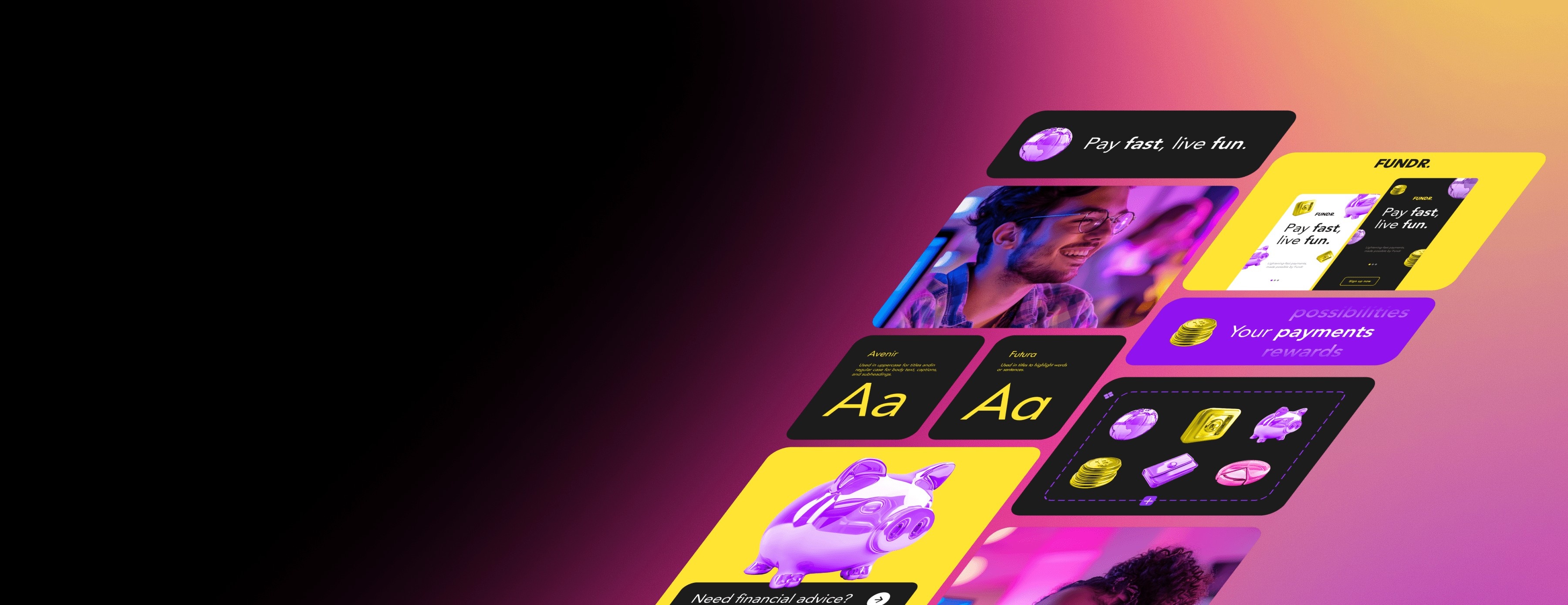
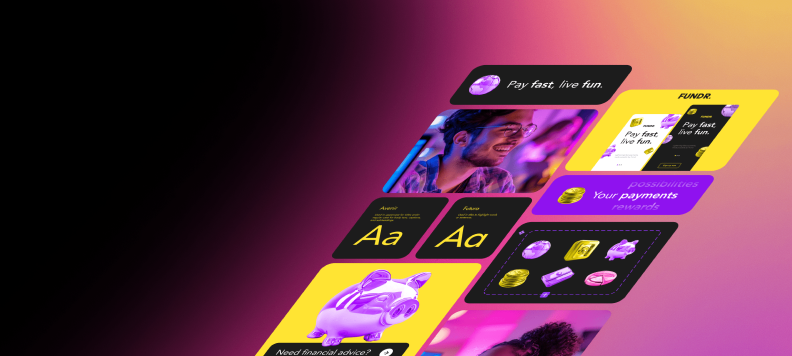
Build once. Scale everywhere.
Launch faster, cut rework and double
design-to-dev alignment with
smart systems built for scale.
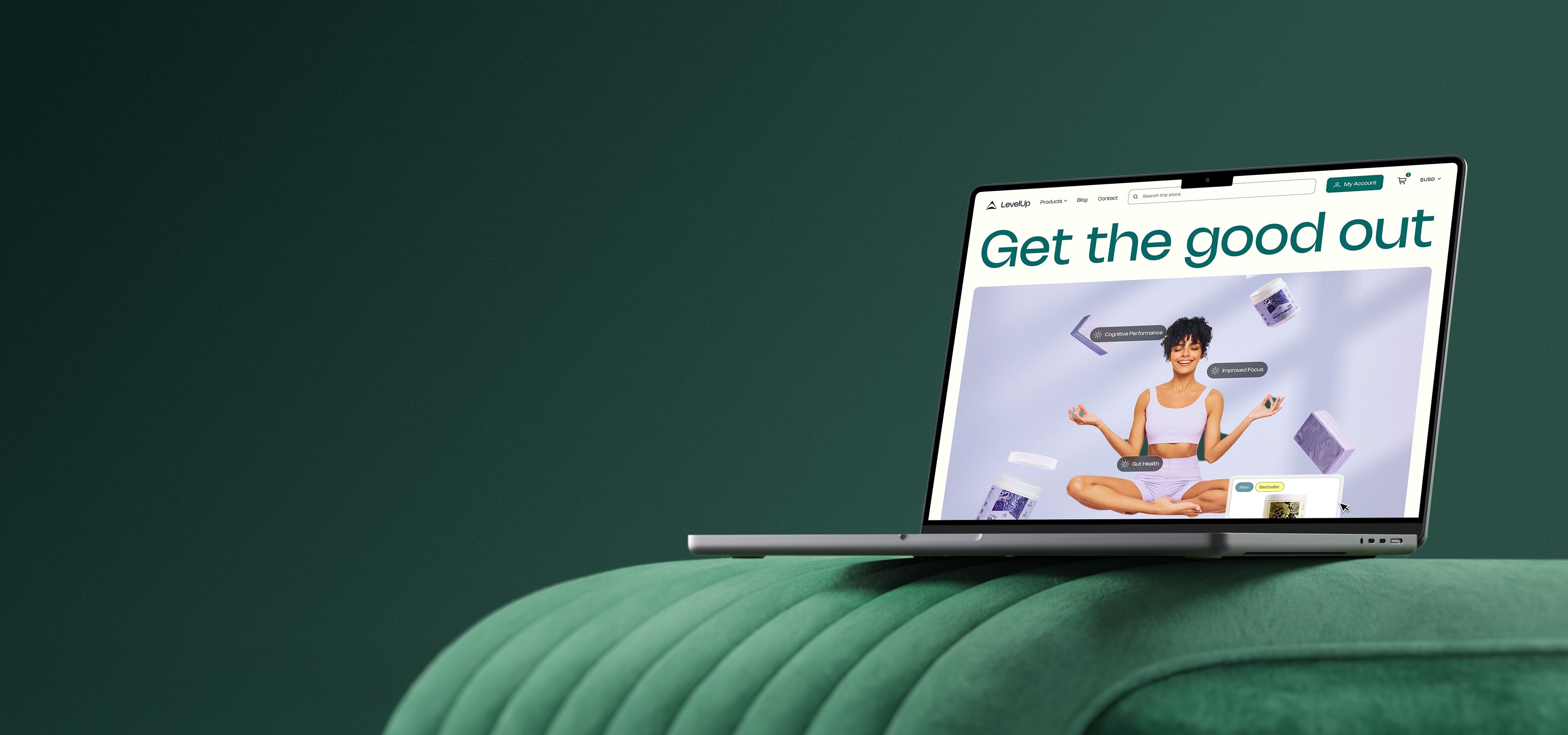
Top UX/UI and web design
We use atomic design methodology to
create cohesive, scalable and high-performing
digital experiences.
Our accessibility-first approach creates
unique assets, made to engage and convert.


Elevate design with AI and human creativity
At Superside, our top-notch creatives work with AI.
We use the latest tech to your brand stand out,
scale faster and optimize conversion rates.
Want to learn more?


Your AI-ready creative team
Superside combines strategic AI consulting with
AI-powered creative workflows to unlock scalable,
efficient and on-brand creative output.


