Monica is the former Sr. Product Marketing Manager at Superside. With over a decade of experience translating product capabilities into customer-ready solutions, she collaborates with product, marketing, and customer teams to ensure every experience feels useful and intuitive. Her focus: helping teams get more from their creative investment—faster, smarter, and with less friction.
The rationale behind an important creative decision was established months ago. Now that context is lost, and your team has to dig through email threads and Slack messages to piece it back together.
Multiply that across dozens of projects and a pattern emerges. Feedback gets repeated, past decisions get revisited and performance insights never make it into future briefs.
The average creative brief might be a page or two, but it sets the direction for everything that follows. A polished brief leads to sharper output, fewer revisions and more time for strategy. A weak one does the opposite. It withholds context, drags out review cycles, slows teams down and invites avoidable mistakes.
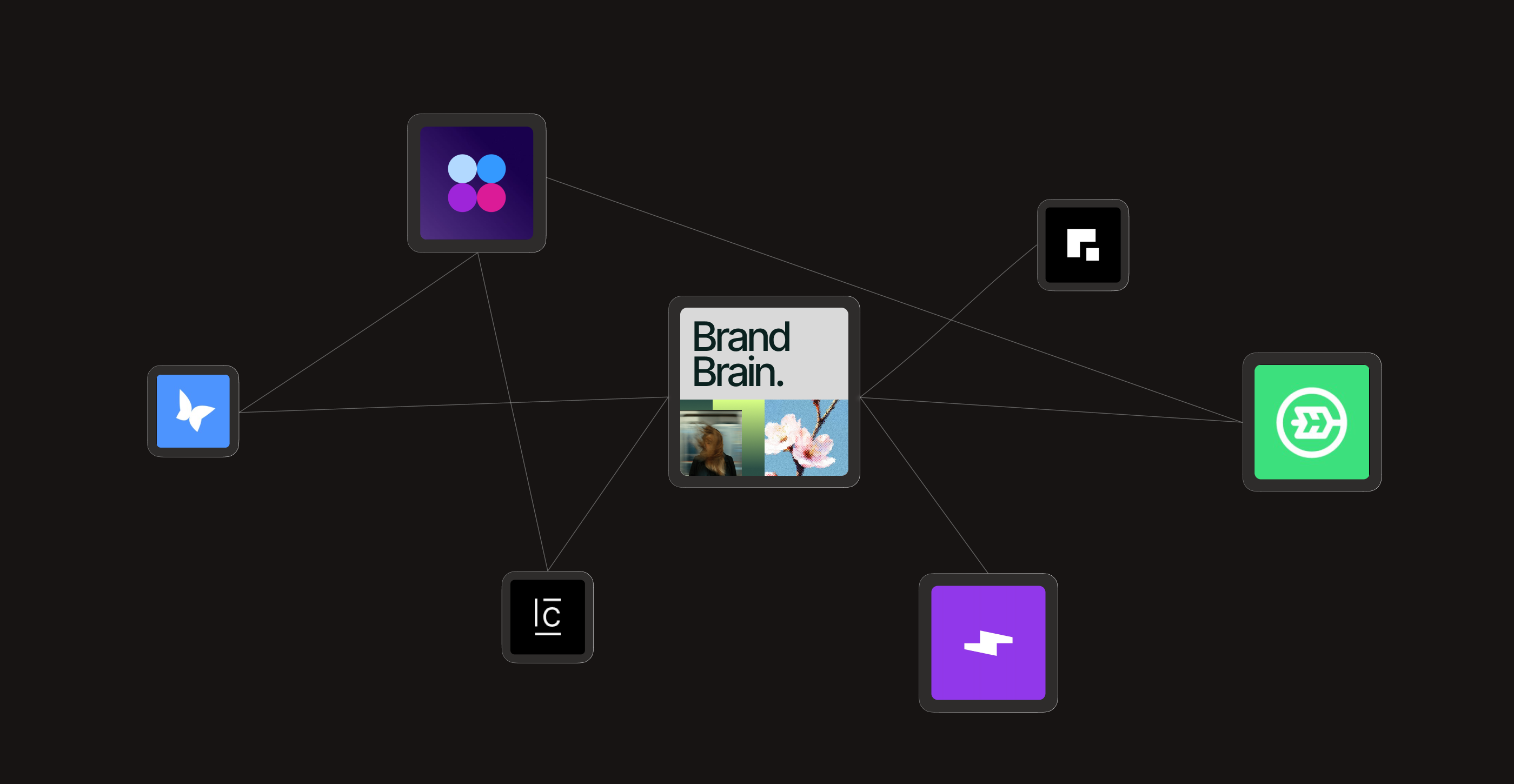
Bit by bit, weak briefing also leads to creative memory loss, delaying sign-off and launch. AI can now turn rough requests into structured briefs in minutes, and the right tools surface relevant context, brand knowledge and past decisions to improve alignment from the start. This is exactly what Superside's Brand Brain does.
Almost every enterprise marketing team is wrestling with the same problem.
They have a 60-page brand guidelines PDF nobody actually reads, and a generative AI tool the team uses every week. The output looks fine in isolation. Across hundreds of assets, it does not look like the brand. The colors are roughly right. The tone is in the neighborhood. The visual style is close. None of it is theirs.
Every creative leader has lived a frustrating round four, five or six.
The brief seems clear, yet the project turns into a cascade of revisions, feedback and shifting expectations. By the umpteenth round, the team is exhausted, deadlines have slipped and the budget is blown.
When it comes to project management, creative work at scale is an entirely different beast. Campaigns move fast, deadlines shift and feedback comes in from every direction. Yet most project management tools were designed for linear workflows, not the creative chaos of complex campaigns and projects.
Over half (55%) of project managers say budget overruns are the top cause of failure, and nearly 70% of projects fail to deliver what was promised. Organizations that invest in modern project management systems waste 28 times less money than those that don’t, proof that the right tools pay for themselves.