Ben Myhre is the Former Global Creative Director for Superside. When he's not leading our team of 80+ designers and working on strategic partnerships, he's often traveling around Scandinavia with his wife and daughter while trying to name every font along the way. Find him on Behance, LinkedIn and elsewhere: /benmyhre.
Are you looking for the best PowerPoint fonts for your presentation? Fonts play a vital role in the readability and overall success of your presentation, and PowerPoint has several options to choose from. The fonts fall into four main categories that include: Serif, Sans Serif, Script and Decorative.
Whether you’re presenting a pitch deck to a group of investors, showing off your Q4 marketing plan, or creating sales enablement presentations for your team, fonts help to convey your message.
Animations are cool. That is a well-documented fact, not an opinion (trust us). Remember back in the late 90s when GIFs and early animations proliferated? How long has it been since you thought about the Hamster Dance or Peanut Butter Jelly Time? Those early viral animations are the predecessors of the stunning, refined animations we see today.
People like interactive graphical elements. This is attributed to the average human attention span of eight seconds (according to a 2015 study by Microsoft Corp). Videos and animations keep people engaged, keep the eye moving and may even be used to draw viewers to the CTA. Research by the Online Publishers Association showed that over an eight-month period, 80 percent of users had watched a video ad, and of those, 46 percent had taken a follow-up action.
Design team management requires a different playbook than other leadership roles. Trust us, we have over 120 designers across nearly all creative disciplines, and in over 50 countries. Fostering a creative and collaborative environment while also keeping everybody on track is not an easy feat. It also doesn’t happen by accident. The best design leaders understand that they need to be incredibly intentional with both their leadership approach and the people they bring in.
In fashion, style is something you either have or you don’t. In marketing, we trade style for design–and great consistent design is something you have to have. Khosla Ventures Design Partner Irene Au says it best, “Good design is like a refrigerator—when it works, no one notices, but when it doesn’t, it sure stinks.”
The key to success for any organization is a deep understanding and respect for design. Great design is more than just your design tools, language, and style. The brands we all know and love usually have a Chief Marketing Officer who lives and breathes design.
We’ve always been in the business of great design. Powerpoint presentations, brand identities, email templates and more—when you need design at scale, we’re here for you. But there’s been one type of creative that keeps coming up that we haven't officially offered until now, and that’s motion design.
Really, this should come as no surprise. Motion adds visual interest, grabs attention and makes your content stand out. In this digital age, most top companies even have animated logos to help make their brand feel more alive and give it some personality.
2019 was a big year for rebrands. From Slack to Sears, a lot of companies took the plunge and decided to give their brand a facelift (though a few ended up doing more of a faceflop).
When a company decides to do a rebrand, it should really come out of a well-researched need, not a whim. For example, when Dunkin’ Donuts dropped the “Donuts” in early 2019, they made the change to put emphasis on the fact that they’re now about more than just doughnuts—they also serve fancy drinks like nitro-infused cold brew and have digital ordering kiosks. Haters can hate, but it actually made a lot of sense. Similarly, Android knew that initially their brand was targeting a more niche developer community, but that all changed—their market share has since exploded, and they updated their brand to reflect that change.
Design is undoubtedly a specialization with its own language and terminology, which can seem bewildering to the rest of us. Don't feel discouraged, though. We study design for living — so much so that we compiled a list of 45 design blogs for inspiration — yet we still have endless learning to do.
Now, you don’t need to become fluent in design-ese. But if you’re working with an in-house or external design team even just knowing a few key graphic design terms can make all the difference.
Two constants pull at every designer during production: customer feedback and design innovation. On the one hand, customer satisfaction is a critical metric of a successful product. On the other hand, you know the world of design may never evolve if you only do what has been done before. And what has been done before is what the typical customer will request — a design similar to what they’ve seen somewhere else.
The world of art is built on this principle: See something and make it your own. But the truly innovative see something and ask why it matters and what happens if it’s done in other ways. They create new styles like Picasso’s portraits or Scher’s typography. And this typically involves design innovation.
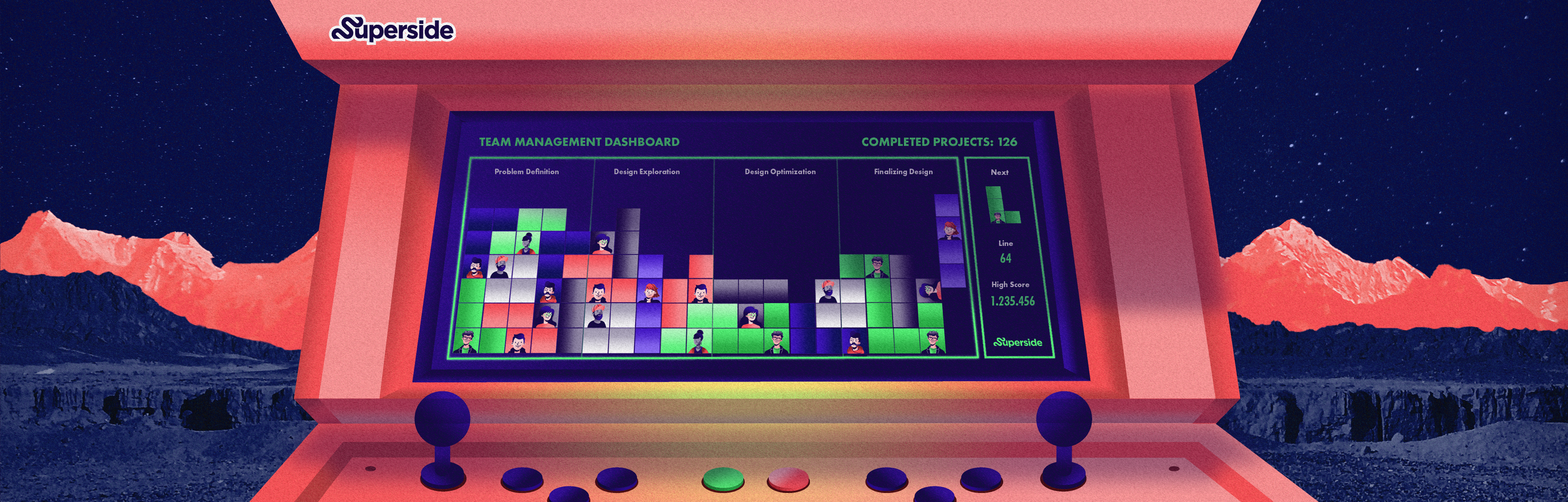
It’s no longer enough for designers to “just” design. Nowadays, they’re also expected to be project managers, creative leaders and cross-functional collaborators while still delivering best-in-class design work on an increasingly tight schedule. It’s a recipe for failure that’s driven countless organizations to search for ways to streamline and scale design.
From Pinterest to Dropbox, Airbnb to Atlassian, many companies have turned to DesignOps to scale their design work. What is the role of design operations? DesignOps teams are responsible for the organization and coordination of people, tasks and processes in the design workflow. They take care of the operations side of design, allowing the designers to do what they do best – design.