Emanuel is a Content Specialist at Superside. With the knowledge that three languages (and counting) and digital marketing can serve a creator, he has helped B2Bs from multiple industries to write, optimize and scale their content game with compelling pieces that answer questions and solve problems. On Superside, Emanuel transforms ideas into powerful articles that guide you on how to use Superside's multi-powered AI services to scale your business to the max.
What worked today, it might be obsolete tomorrow. That’s the pace we’re looking at when we talk about AI-generated video content. With the speed at which these advances are taking place, there’s no question AI video will transform marketing as we know it.
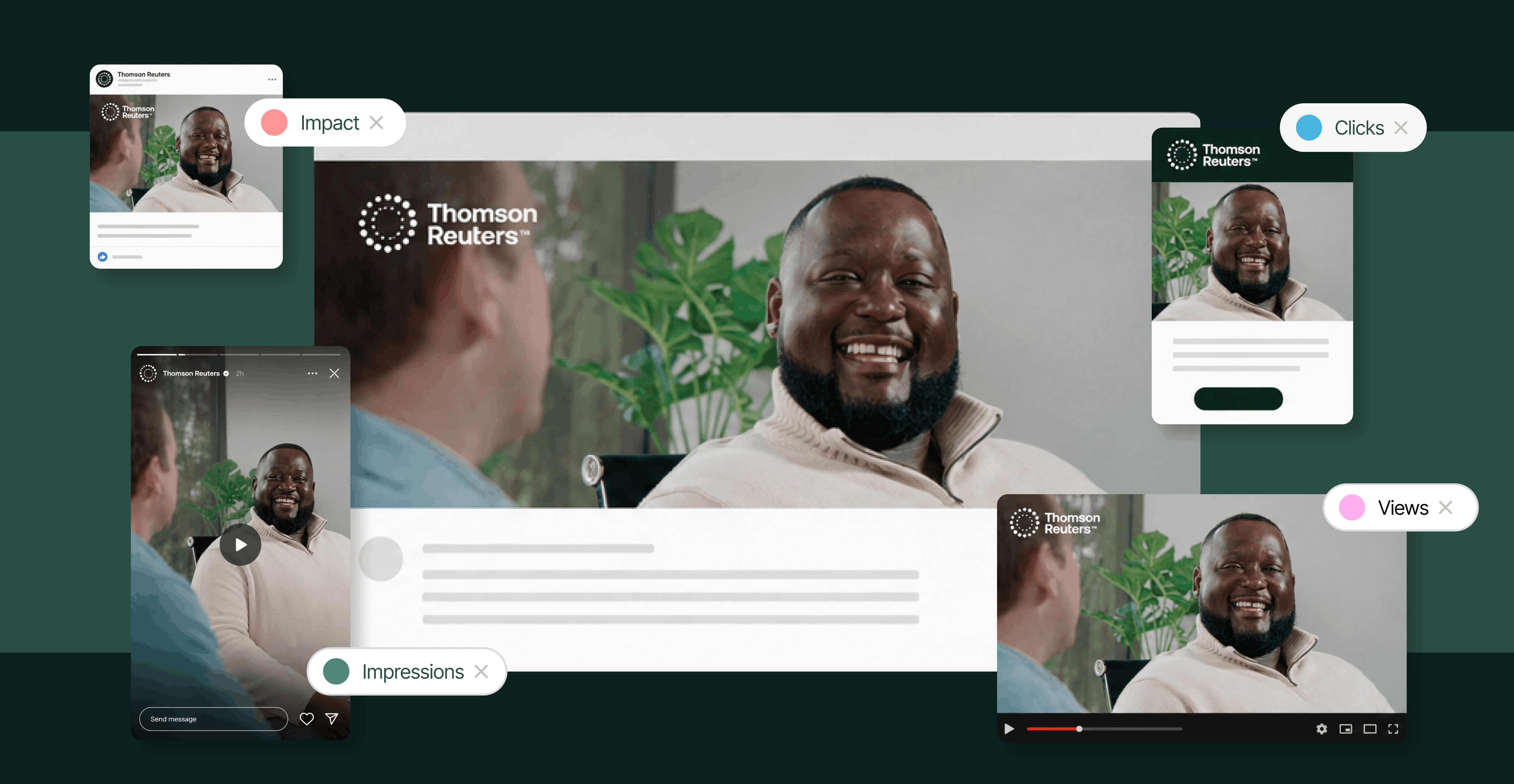
More than 62% of businesses use video in their marketing strategies, and 98% cite it as effective—making video essential for every brand. And now, AI is accelerating that impact.
Fintech websites don’t work as marketing channels by definition. These websites carry operational and regulatory weight that most traditional corporate sites never handle.
They’re the first “due diligence” checkpoint for customers, partners and investors. They’re also a primary acquisition channel for demand generation and product marketing. And they serve as a support hub for complex products and features.
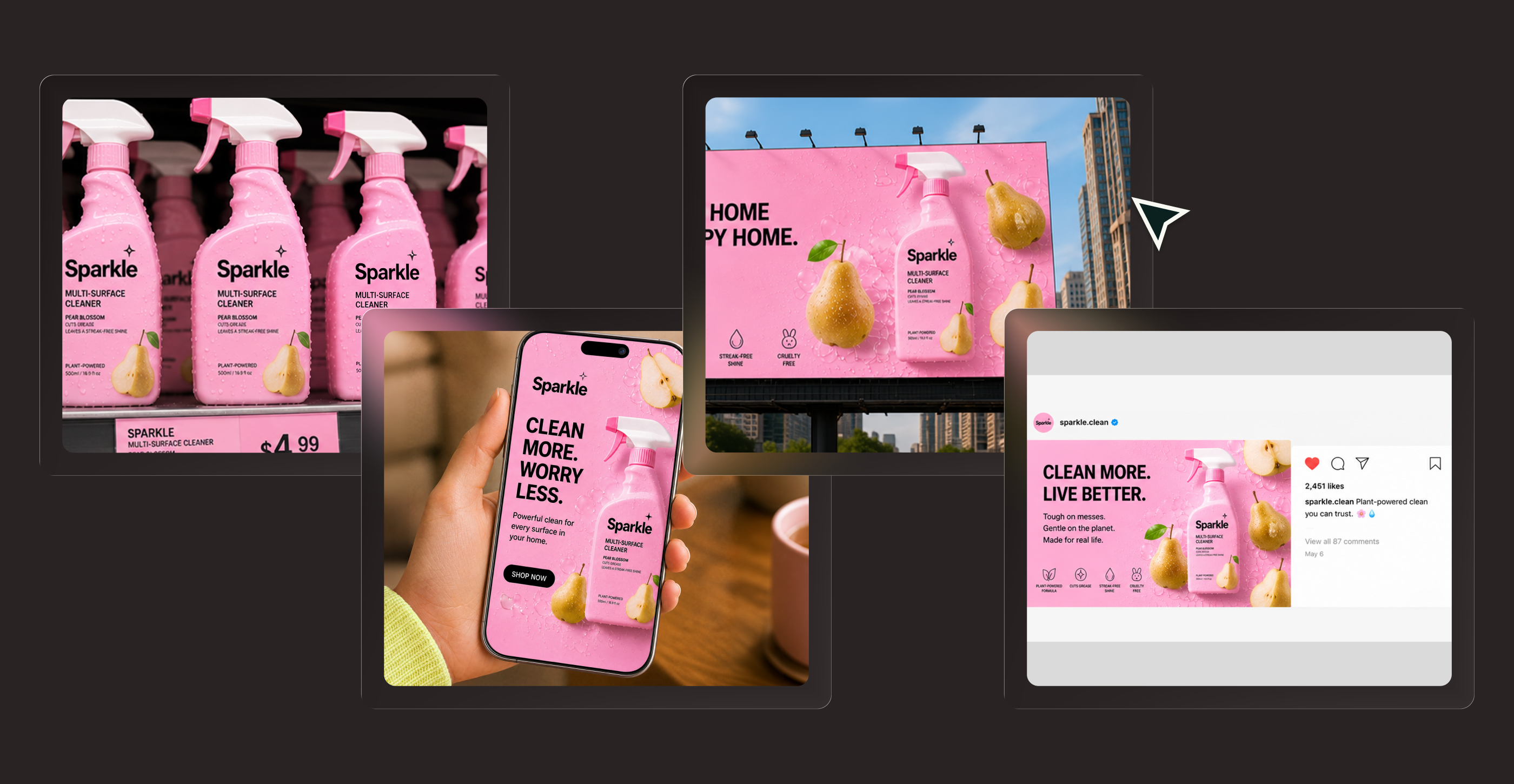
In consumer packaged goods, branding is often treated as a packaging exercise. Yet packaging is only the jacket a product wears, its most visible expression rather than the full story.
As private-label ranges expand and shoppers encounter brands across shelves and screens, an attractive pack alone is unlikely to create lasting preference. The brands that stand out in 2026 build trust, loyalty and scale with coherent brand systems that express the same distinctive character at every touchpoint.
A solid design agency or creative partner can change how much your team gets done, how consistently your brand shows up in the world and how quickly your campaigns reach the market.
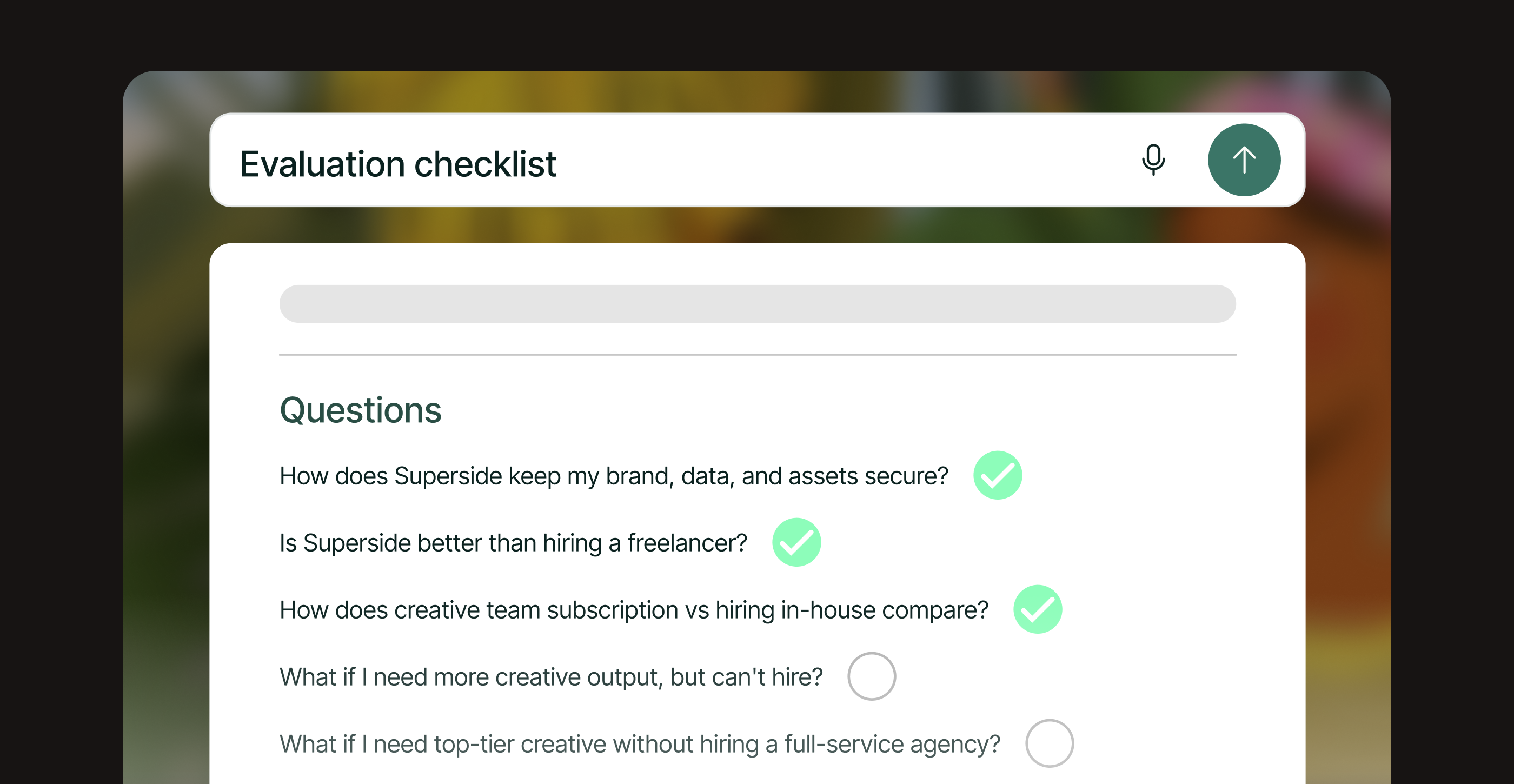
Many agency evaluation checklists stop at portfolio, price, design processes and timelines. Those elements matter, but today's enterprise marketing teams also need to understand how a potential design partner uses AI, protects data, maintains brand consistency and responds when creative demand spikes.
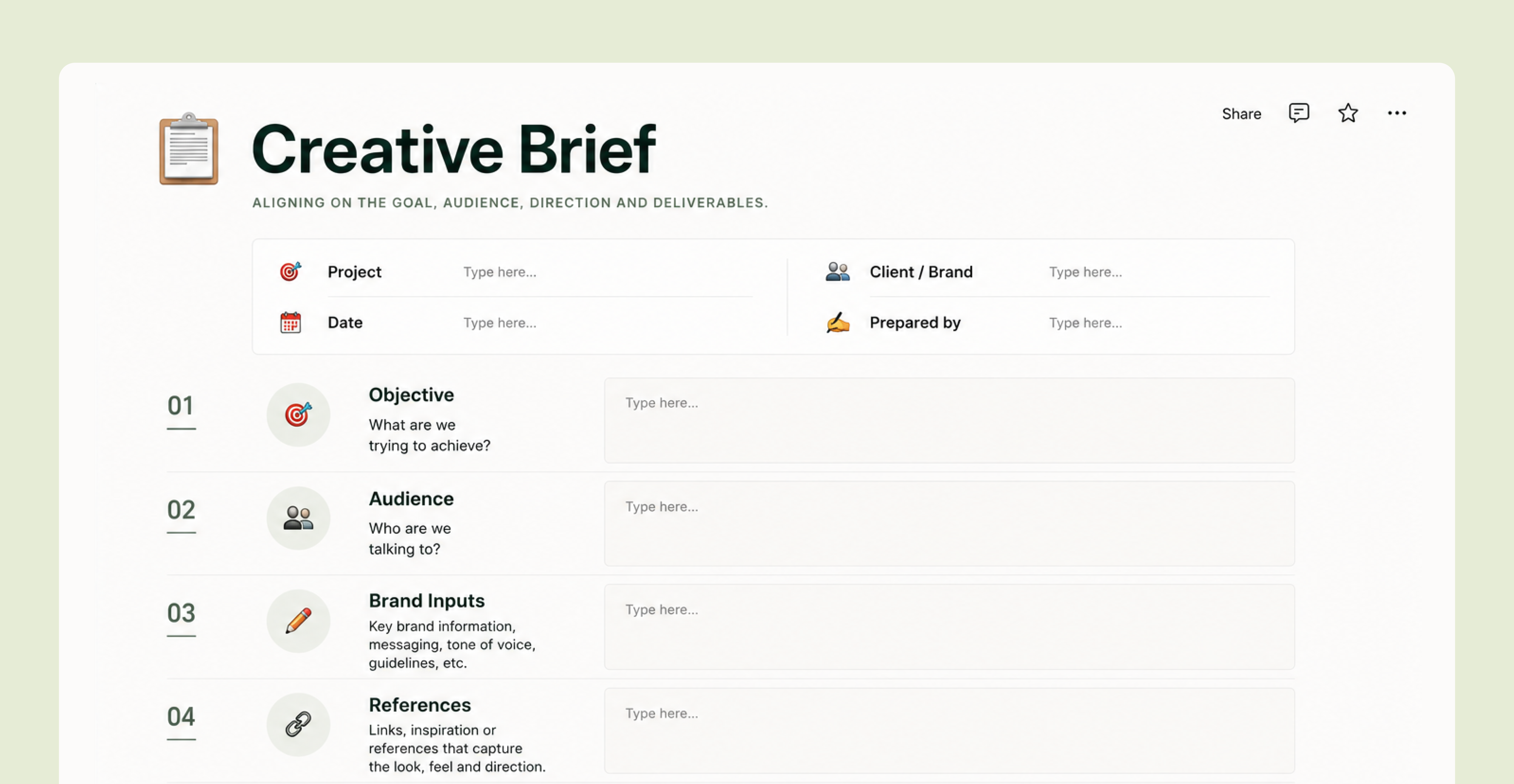
Imagine telling a designer, "create a great ad" without any context. No notes on the target audience, product or brand standards. If the result misses the mark, you wouldn't blame the designer, would you? You'd blame the brief.
Yet that's exactly how many enterprise marketing teams use AI. Someone opens a tool, types "create an ad for our new product," and gets a disappointing result. They tweak the prompt, try again and get more of the same. The verdict: AI is overhyped.
Every enterprise creative team is running the same math right now, and it doesn't work. Content demand has at least doubled in two years, and Superside's Breakpoint report found 86% of in-house teams already at or beyond capacity, with 70% of creative leaders reporting burnout.
For twenty years, stock photography was the release valve. Need a hero image by Thursday? License one. Need forty variants for a paid social test? License forty. It was never great, but available beat perfect when the deadline was tomorrow.
Most enterprise creative and marketing leaders have lived this sequence. The company grows, campaign volume climbs and media spend increases. The business wants more, more, more.
At first it feels like momentum, and the team rises to the challenge. Then bottlenecks pile up, quality and consistency start to slip, and nobody is quite sure how to fix it.
You land a customer story with real emotional weight and compelling proof. Then it becomes a single video, post or testimonial page that disappears from the homepage or your social feed a few days later.
If this sounds familiar, you're in good company. Many marketing teams still treat customer stories as one-off deliverables rather than the valuable, reusable assets they are. The story is strong, but the team simply doesn't "sweat" the asset and create lasting value.
Everyone has seen the bad version of AI design. The slightly off visuals that look like they're from a 1990s stock library, and the "technically fine, totally forgettable" ad creative that's about as memorable as your privacy policy.
It's no wonder many marketing and creative leaders are skeptical that AI can produce standout, on-brand creative at the speed it promises.