Hiba Amin is a Contributing Writer at Superside. As a marketing leader who lives and breathes content, she's had the privilege of heading up content teams and has also been in the trenches as a marketing team of one. She's worked at a wide range of tech companies across PLG, SaaS and most recently, AI. Say hi to her on LinkedIn (and ask her about her dog, Milo!).
When you use AI to generate images for the first time, it’s a pretty magical experience.
But when you really dig in and realize how many benefits AI image generation tools like Midjourney offer, it’s game-changing. From faster sourcing to greater consistency and uniqueness, it’s no surprise Midjourney has gained so much traction in the past year.
It’s not enough to write ChatGPT prompts. You also need to know how to write great prompts to get the results you’re looking for (and not some generic output).
Like feedback that would make a designer’s eyes roll, AI doesn’t get what phrases like, “make it pop” or “make it more creative” mean. That’s why it’s crucial to learn the ins and outs of writing great prompts, so you can convey what you actually want and get the most out of generative AI tools.
Let’s transport ourselves back to 1752 when electricity was first discovered. This amazing new technology transformed the world. Today, it powers our electric cars, our fancy smart thermostats, and our portable electronic books (like Kobos).
But, these weren’t the first use cases of electricity. Uses of electricity started small and simple, and over time, we found more and more creative and complex solutions for them.
Marketing in the new era moves really fast. You’ve probably heard this phrase one too many times. But, that’s because there are new advancements and use cases that come up each and every day. It’s really hard to keep up.
So, today, we’re going to be walking through spatial computing for brands, the basics, the impact and how to apply it to your brand. We’ll also be leaning on Sam MacDermot, Associate Creative Director at Superside who’s been actively looking into how to incorporate spatial computing across the brand.
How many times have you scrolled past an ad that appeared on your socials one too many times? Ad fatigue is a real thing. That’s why having fresh ad creatives isn’t just a nice-to-have; it's a must-have.
But the reality is, even if you have an in-house design army, high-quality ad creative takes time. Whether it’s flipping through hundreds of Unsplash stock images, the back and forth between team members, and the endless rounds of feedback—ad creative is time-consuming.
If you work in SaaS, you’ve either tested artificial intelligence (AI) for your own workflows, read an AI “hot take” on LinkedIn or been told that you need to “work faster.” In some cases, all three within the same conversation.
The reality is that while AI can be a contentious topic in some SaaS circles, it’s here to stay. And those who simply want to ignore it will be left behind.
Just as Da Vinci revolutionized the High Renaissance and Picasso introduced Cubism—we’ve entered a new design era in 2024: AI. For the first time, we’re seeing text-to-interface AI used in graphic and creative design. Big brands like Coca-Cola and Cadbury are even making headlines for their use of generative AI in advertisements.
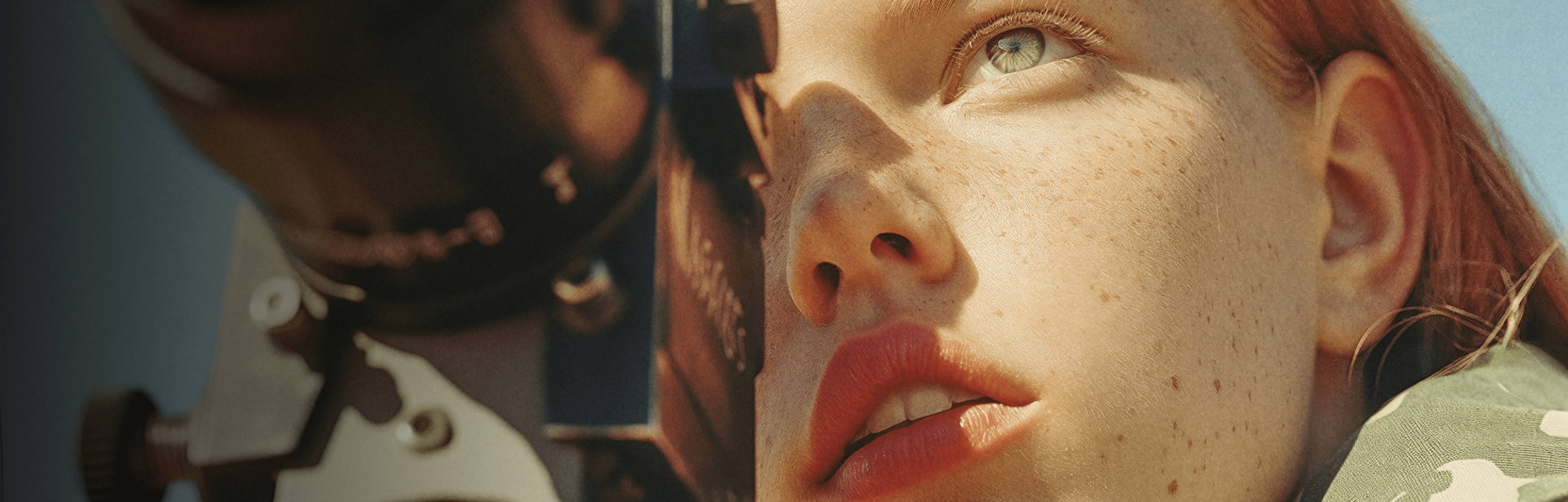
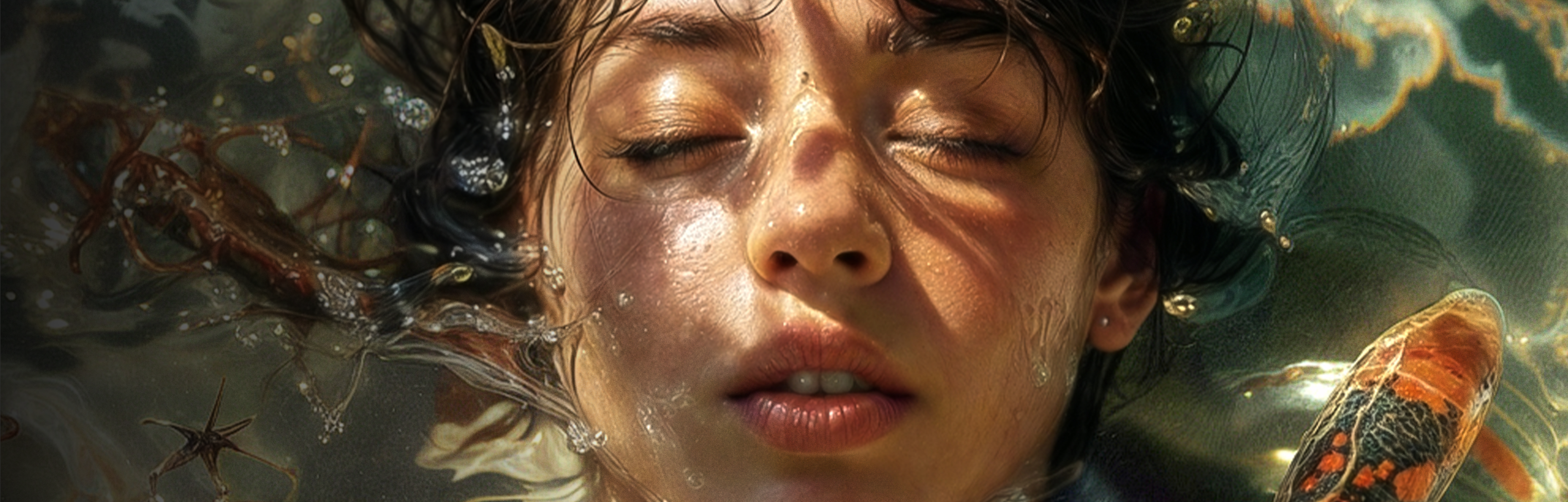
With over 200 AI-enhanced design projects under our belt, we've witnessed this revolution firsthand. In our latest collaboration with Opa, we leveraged Midjourney to generate mouthwatering food shots, guaranteed to get you hungry.
When you start a project, whether it’s personal like rearranging your bedroom or professional like kicking off a website redesign, what’s the first thing you do?
Research. Answering questions like: