


Today’s retail and DTC brands manage creative across an expanding mix of channels, markets and audience expectations. As complexity grows, so does the risk of brand inconsistency. This article explores how top brands use creative systems, operational infrastructure and AI-first workflows to scale consistently across every touchpoint.
Brand consistency has always mattered. But in recent years, it’s become both harder to maintain and more costly to lose.
As the global DTC market races toward nearly $880 billion by 2034, competition for attention is fiercer than ever. The brands that win don’t just show up across more channels. They deliver a cohesive, omnichannel experience that builds brand awareness, recognition and trust at every touchpoint.
The payoff is significant: Brands with strong omnichannel engagement retain up to 89% of their customers.
Yet brand consistency rarely comes from guidelines alone, especially when those brand voice documents are often ignored. It requires the right systems, processes and infrastructure to bring the brand to life consistently, everywhere it appears.
Are you finding it hard to achieve the level of brand consistency retail DTC channels need?
This article takes a closer look at what it takes for retail and DTC brands to maintain brand consistency across channels today. We also look at how an AI-first creative approach, and a tool like Superside’s Brand Brain, can make that consistency scalable.
Why brand consistency breaks down at scale
Brand fragmentation typically follows a predictable pattern: The brand grows, the channels multiply, the pressure piles up and the brand guidelines document, written for three channels and a small team, fails to cover new scenarios.
Ultimately, team members start to make their own judgment calls, which creates an incoherent brand experience that the target audience, whether they know it or not, registers.
For retail and DTC brands operating in a highly competitive market and appearing across multiple digital and social commerce platforms, this problem is even more acute.
A brand that sells through its own website, plus a wholesale partner’s website, Amazon, Instagram, TikTok and inside traditional retail stores effectively manages multiple distinct platforms. Each comes with its own formats, constraints and expectations, which increases the complexity of what teams need to produce every month.
At the same time, the volume and speed of content production have surged. The result isn’t just mounting pressure on teams, as our “Breakpoint” report highlighted, but an even higher chance that teams won’t be able to consistently produce on-brand work.
And while it’s true that AI has changed what’s possible, that expanded capability has added another layer of pressure: 92% of executives expect higher-quality work because of AI.
Unfortunately, these same business leaders don’t all understand that, while AI can speed up work and improve outputs, it’s also a double-edged sword. Without strong human judgment and robust design systems, AI can just as easily amplify inconsistencies as eliminate them.
The brand consistency that eCommerce and DTC brands require
While using the same logos, colors and typography across assets matters, achieving brand consistency across retail and DTC channels takes more than meets the eye.
1. Visual identity consistency
Getting the visual identity layer right isn’t just about checking assets against the brand CI document. Teams that consistently apply the same logo, color, typography, imagery, design principles and more across formats rely on design systems that clearly define how brand elements look and behave across channels.
These systems are especially important for retail and DTC brands that operate at scale, as they clearly outline how visual elements should be used across product pages, social commerce ads, retail displays in physical retail stores and more.
They also leave no room for interpretation. Every creative team member knows the rules.
Without the level of detail good design systems cover, visual consistency requires constant manual intervention, a luxury most enterprise teams can’t afford.
2. Messaging and tone consistency
A brand can look consistent, but if the brand tone and messaging vary across channels, the experience feels disjointed. And with omnichannel consumers now accounting for 27% of retail sales, retail and DTC brands can’t afford to let these elements slip.
The brand’s values, brand voice, product claims and the emotional register of communications all need to align across channels, partner materials, paid media, organic social and customer communications to build recognition, trust and loyalty.
Eyewear brand Warby Parker does this well. It keeps messaging and brand elements consistent but tailors how it shows up across each channel. A focus on transparency, especially in how its glasses are made, builds trust and enhances customer loyalty at key decision points.
From web experiences to in-home try-ons, the brand remains cohesive as it adapts across different contexts. Even details like packaging and accessories continue to reinforce the brand story long after purchase.
Unfortunately, many brands struggle to deliver this level of consistent messaging at scale.
3. Channel-appropriate execution
One of the biggest misconceptions is that brand consistency equals duplication. It doesn’t. Identical creative used across Instagram Stories, product pages, pop-up shops and in-store screens ignores how each channel works, and typically results in underperformance.
Best practice (and the real skill) is to maintain a consistent brand identity while adapting the creative expression of each asset to meet every channel’s specific requirements.
The brands that shine adapt their execution to each channel while reinforcing their visual identity and brand voice. By contrast, brands that prioritize speed and volume over brand consistency often default to generic, deal-led creative that doesn’t deliver the results they’re after.
4. Operational infrastructure
The final (and often the most underinvested) layer is the operational infrastructure that enables a consistent brand experience.
This infrastructure includes centralized asset libraries, shared brand materials, templated production systems, clearly documented approval workflows and the creative governance mechanisms that prevent teams from producing off-brand work, whether the brief is to produce assets for physical retail stores or social commerce. For ecommerce sellers, comparing multichannel selling tools can be another useful step when building workflows that keep product listings organized across different marketplaces.
Unfortunately, many brands still don’t quite know how to set up the infrastructure needed to scale consistent creative. This is where a strong creative partner, like Superside, becomes a true differentiator.
What brand consistency in retail DTC channels looks like in practice
Packt, which publishes software development books and resources, provides a key example of how brand inconsistencies can affect direct customer relationships.
As the business scaled, it quickly outgrew its brand guidelines. Packt wasn’t able to keep pace with the expanding range of customer touchpoints, formats and teams producing creative work. The result was varied interpretations, inconsistencies and creative chaos.
Customer feedback showed that visually inconsistent book covers across the product catalog were a big problem. Customers had to question what was genuinely a Packt product and what wasn’t, doubts that affected brand credibility.
When updating existing guidelines didn’t offer a long-term solution, Packt turned to Superside.
The brief: To develop comprehensive templates and image libraries to ensure uniformity across all physical and digital products.


Our team delivered a complete set of design frameworks developed to give internal teams clear rules and guardrails for brand consistency across channels. This meant design tasks that previously required senior creative oversight could now be executed by junior designers.
Superside does all the heavy lifting from a design and creativity perspective and then I’m able to bring those templates and frameworks into our internal team and turn more repetitive design tasks into a more streamlined process with more junior designers who can then easily deliver brand consistency.

Brand infrastructure that fails to scale alongside the business isn’t unique to Packt. It’s a familiar pattern across other Superside customer stories, too.
The solution to a consistent brand experience is straightforward: Systematized, centralized and templated creative infrastructure that helps to ensure the same brand shows up in exactly the same way across all channels.
Brand consistency in the AI era
Generative AI can dramatically speed up creative production. But it takes structure and human expertise to be effective.
The biggest problem with the use of off-the-shelf AI tools is that they inherently lack brand memory. Every new generation starts from the statistical average of everything they were trained on. This results in average visuals and generic copy that doesn’t differentiate brands.
As the world’s leading AI-first creative partner, Superside understands this challenge and has developed Brand Brain to address it.
Brand Brain sits at the center of our Superspace creative management platform. It’s an AI intelligence layer that captures brand guidelines, approved creative decisions, tone of voice, past feedback, performance signals and more to build brand-specific context.
Where generic AI tools don’t reliably retain brand guidelines, Brand Brain remembers everything it’s ever been taught. This level of intelligence ultimately helps brands drive consistency and build a coherent customer experience.
For pressured retail and DTC marketing teams, Brand Brain has many operational benefits:
- Brand Brain’s AI insights agent, a conversational interface, lets you “pick your brand’s brain” on demand. Instead of digging through files, folders or old emails, the agent surfaces patterns, gaps and opportunities across all campaign activity, content and decisions stored in Superspace.
- Its AI briefing agent helps you translate rough requests into clear, actionable briefs that draw from your Brand Brain to add specs, references and context. In other words, the AI agent helps you write briefs that can then simply be picked up by the creative team dedicated to your brand.
- Custom brand models: Custom-trained on your visual style, these models generate fresh imagery to use in any circumstance in seconds. No stock photos or expensive photo shoots required.
- Custom automation workflows: Asset resizing, headshot editing, generating product shots, adding motion, campaign visuals. Our AI experts build the step-by-step workflow, and your team gets an easy-to-use tool.
Every project completed through Superspace adds to Brand Brain’s knowledge, ensuring the system gets measurably more accurate and more aligned with your brand voice and visual style over time.
Channel-specific brand consistency challenges for retail and DTC brands
Next, let’s explore where channel-specific execution typically breaks down and how most successful brands stay consistent across marketing campaigns.
DTC eCommerce: The owned experience
The eCommerce site is the primary brand environment for direct-to-consumer brands. It’s the space where brands that follow the DTC model have the most control and against which all other channels are benchmarked.
Brand materials like product pages, homepage creative, landing pages and even blog content need to tell a coherent story and consistently communicate the brand’s visual identity and personality to ensure a good customer experience.
One of the challenges is that creative teams often work in silos, each responsible for a different part of the owned DTC experience. Performance marketing teams run landing pages, email teams produce email creative and the web team manages the homepage. Without centralized creative governance, each team can drift toward its own interpretation of the brand.
Design systems with shared libraries, documented brand standards, approved templates and centralized digital asset management can help create a strong customer experience.
Superside’s work with Vimeo shows how a design system can help bake brand consistency into every creative output.
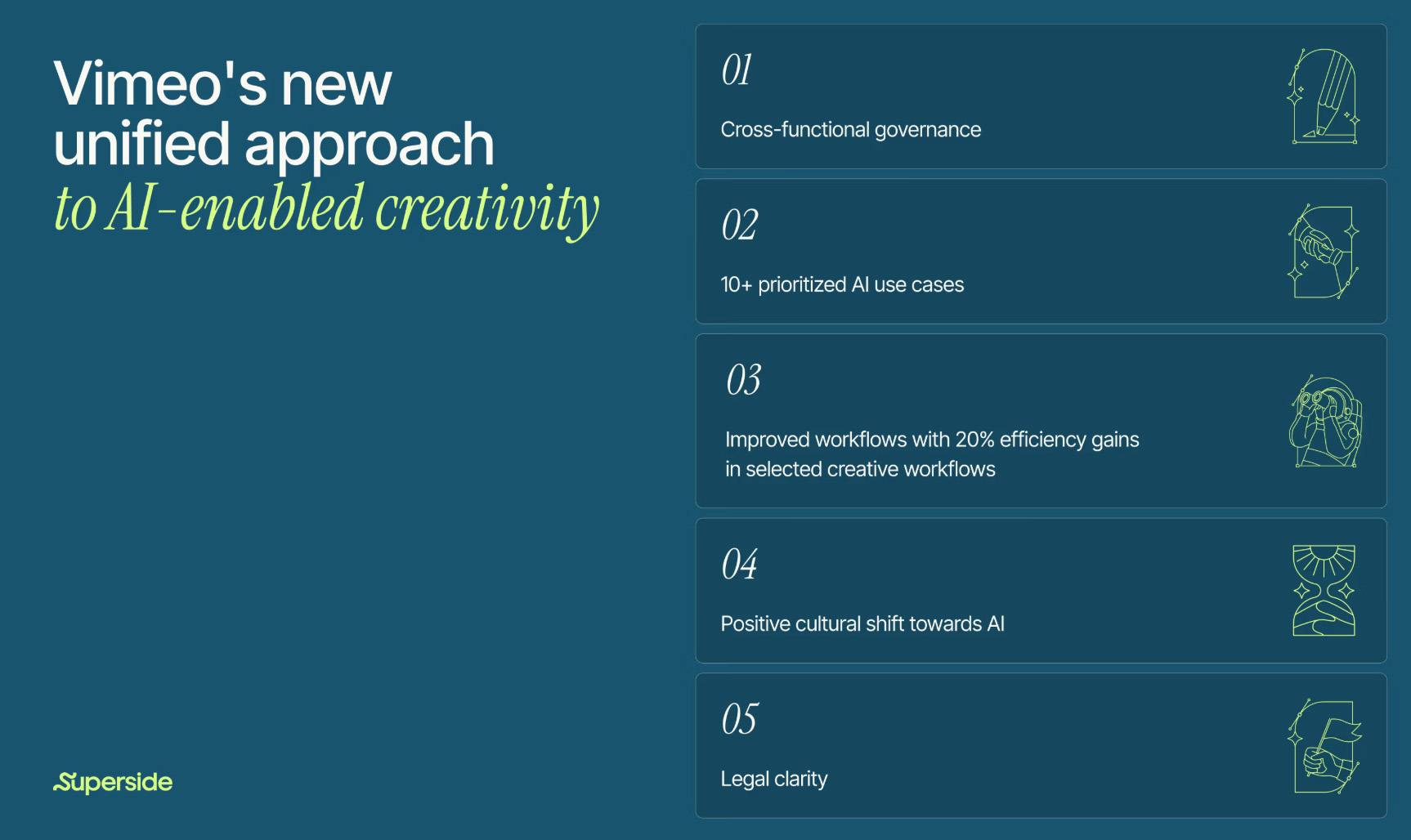
When Vimeo kept producing inconsistent visuals due to a lack of unified design standards, we helped them build a centralized design system with reusable components tailored to over 15 distinct customer journeys. The result was unprecedented brand consistency at scale.
Retail and wholesale channels: Consistency without control
Unlike direct-to-consumer channels, retail and wholesale channels limit a brand’s control over how its products are presented.
Retail partners typically set their own product detail page formats, image specifications and promotional frameworks. The brand’s job is to provide materials so specific that partners can almost never make them look off-brand.
An asset library with real depth is the only way to ensure consistency and continued alignment with the brand identity in this environment.
Paid social: Brand at performance speed
Paid social marketing campaigns bring a different challenge: Today, brands need a high volume of creative to run successful tests, scale winning ads and avoid ad fatigue. But with more ad volume, the risk for inconsistencies increases.
Peak commercial periods put even more pressure on brands that run on a DTC model. During Black Friday and Cyber Monday, for instance, many DTC brands produce a high volume of promotional creative to distribute across channels simultaneously, often under tight deadlines.
Many creative teams are stretched thin during these periods, which means quality and consistency inevitably suffer. But when there’s a good design system in place, it becomes almost impossible for teams to produce off-brand work.
Social commerce and emerging channels
The rise of social commerce environments like TikTok Shop, Instagram Shopping and Pinterest introduces another challenge: Teams need to develop authentic, native-feeling content that also maintains brand identity.
Our article on eCommerce web design agencies notes that the modern consumer expects seamless, inspiring and personalized digital environments. Brands that can’t successfully adapt their creative risk falling behind. But if they veer too far off-course, they’ll hurt brand recognition and trust.
Designing for these platforms isn’t a job that can be left to a freelancer or a junior team member. It’s a job that requires a deep understanding of brand identity and the kinds of content that work on each social commerce platform.
Once again, a good design system can ensure that everyone follows exactly the same rulebook.
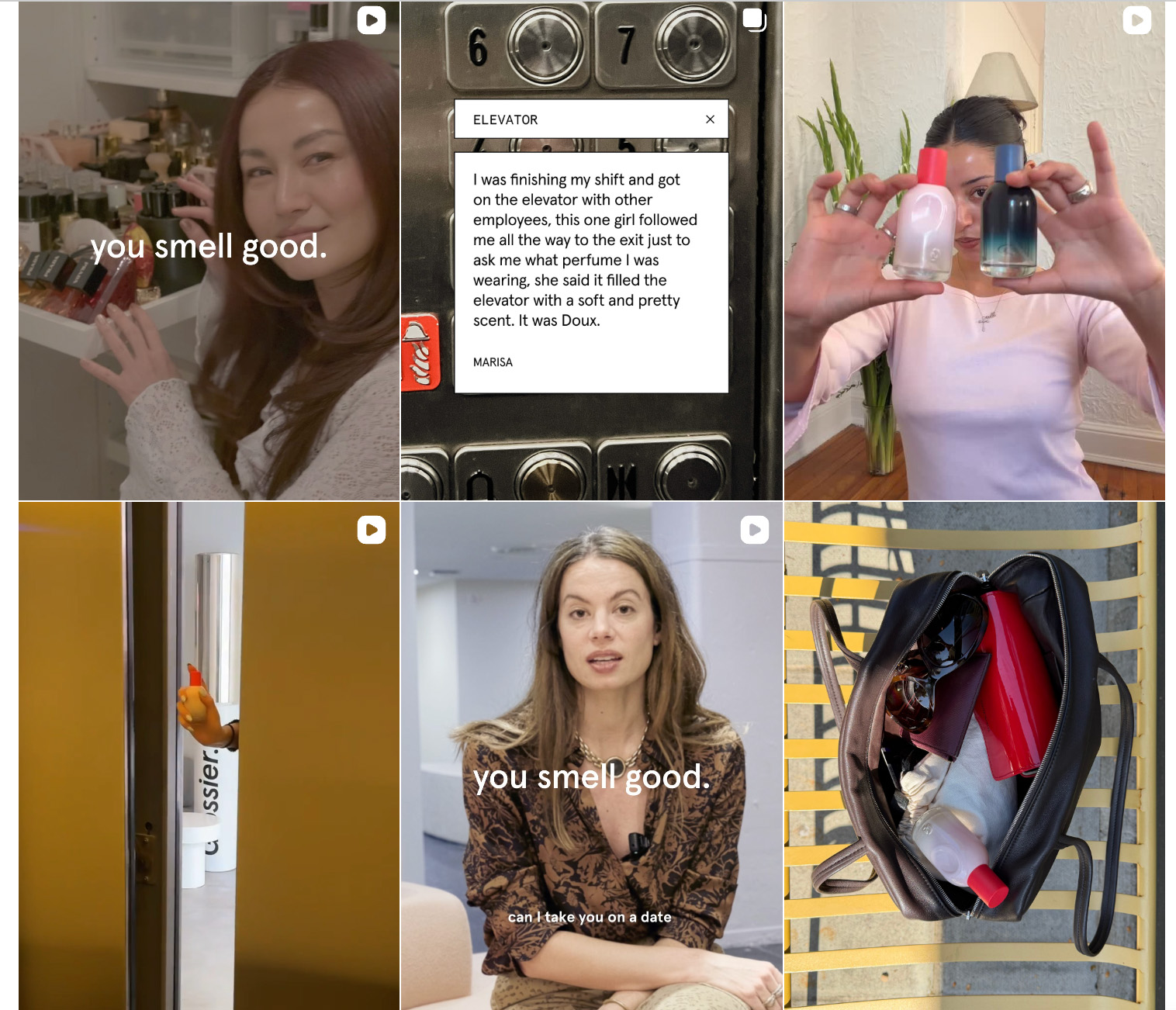
Glossier provides a good example of a brand that gets native content right. It blends product, culture and community in a way that feels relevant and engaging without coming across as overly promotional.
Building the right systems to scale brand-consistent creative
Brands that effectively manage brand consistency across the entire customer journey all have good infrastructure in place. Strong creative skills and deep brand knowledge matter, but they’re not a substitute for systems and structure.
Here’s how to build the right systems.
Brand guidelines enforcement at scale starts with systems (and a partner like Superside)
The retail and DTC companies that maintain consistency at scale don’t simply rely on exceptional designers. They build systems, infrastructure and creative partnerships that make consistency the default.
AI raises the stakes. Without brand-specific context, it can generate off-brand creative at scale that does nothing to build brand loyalty or recognition.
The solution is to ensure AI operates within structured brand systems grounded in guidelines, history and performance insights. That’s what both Brand Brain and Superside have been built to do.
We’re not a traditional agency, and we’re not a freelance marketplace or just another AI tool. We’re a human-led AI creative partner that combines global talent, structured workflows and brand intelligence to help today’s top enterprise brands produce high-performing creative that stays consistent at scale.
Book a call to learn how Superside helps you do it.
FAQs

Creative teams are at a breaking point
The pressure is real, the opportunity is too.
Get insights from 300+ leaders on
beating burnout, using AI wisely
and navigating 2026’s inflection point.


Build once. Scale everywhere.
Launch faster, cut rework and double
design-to-dev alignment with
smart systems built for scale.


Craft unique brand experiences
Superside can support all your brand visions.
Check our creative services and plan your next
branding move in the blink of an eye.


How 400+ brands get more work done, without doing more
They Superside it. Fast, high-quality creative from the
AI-powered creative service that handles it all.