Tess is a Former Senior Content Specialist at Superside, where she crafts compelling content for SMBs and enterprise businesses. With over 10 years of experience, Tess has honed her skills writing for both B2B and B2C audiences, working across agencies and in-house creative teams. Her expertise spans industries, including international relations, tech, hospitality, and the music industry, where she has a knack for blending storytelling with strategic insights. When she’s not busy writing, you’ll likely find her curled up with a good book, binge-watching the latest Netflix obsession or hiking.
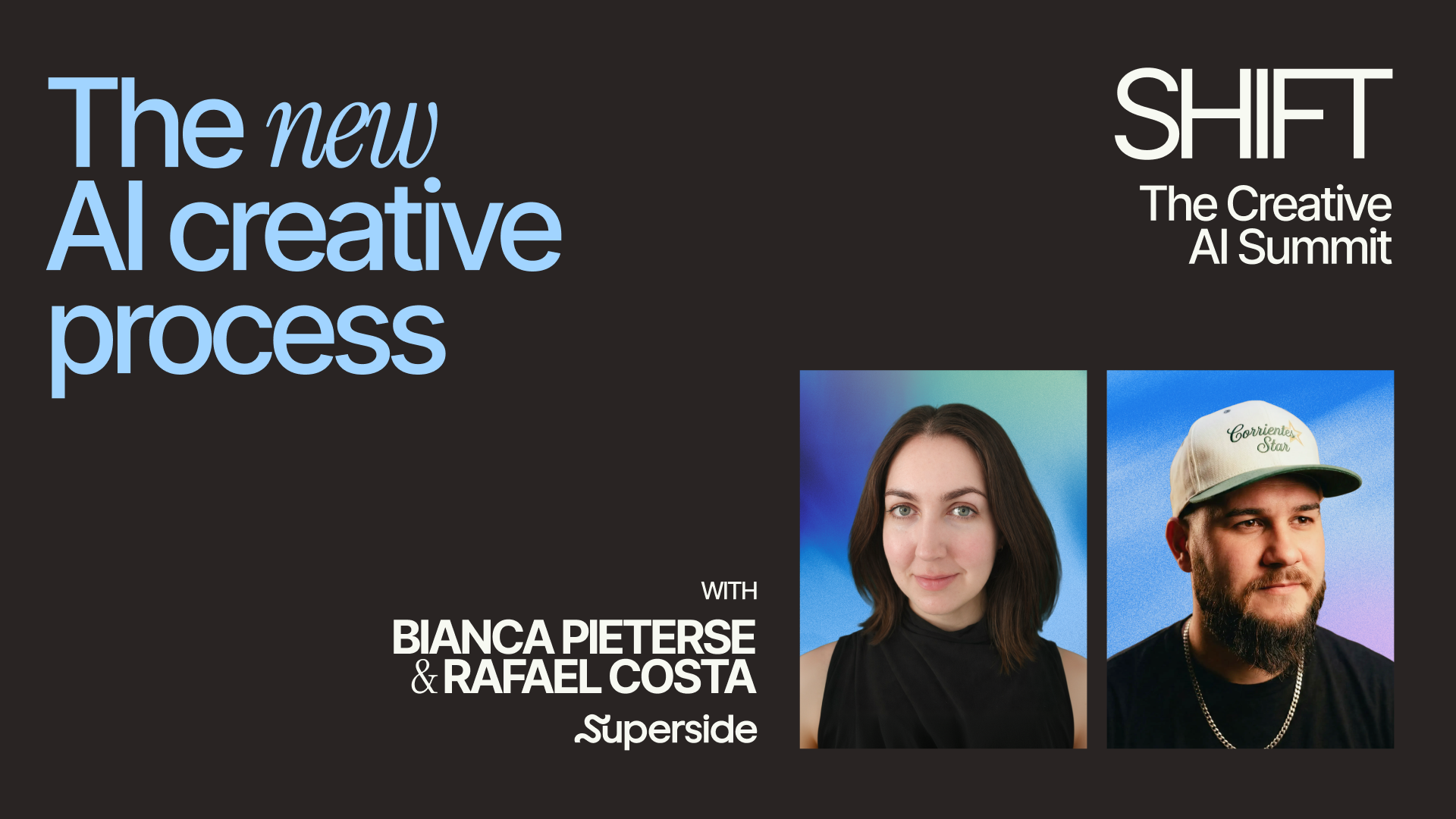
When a last-minute brief lands on your desk, speed doesn't come from prompting faster—it comes from having your brand, tools and workflows already working together. That's exactly what Superside's AI consultants Rafael Costa and Bianca Pieterse demonstrate in this workflow, showing how they go from an urgent conference brief to campaign-ready creative in less than a day.
Instead of treating AI as a creative tool, they treat it as part of a connected creative system. Dive in, watch the clips and find out how you can use AI to help you speed up your creative production.
Producing content has never been easier. Producing great content that people will remember has never been harder.
Every marketing team now has access to AI tools that can generate copy, images and video in minutes. The barriers to creation continue to fall, while the volume of content continues to rise. People are truly inundated with content left and right.
AI is moving fast. New tools are launching every week, workflows are changing overnight and creating content has never been easier.
But if there was one thing creative leaders agreed on at Shift: The Creative AI Summit, it's that the conversation has moved beyond the tools themselves.
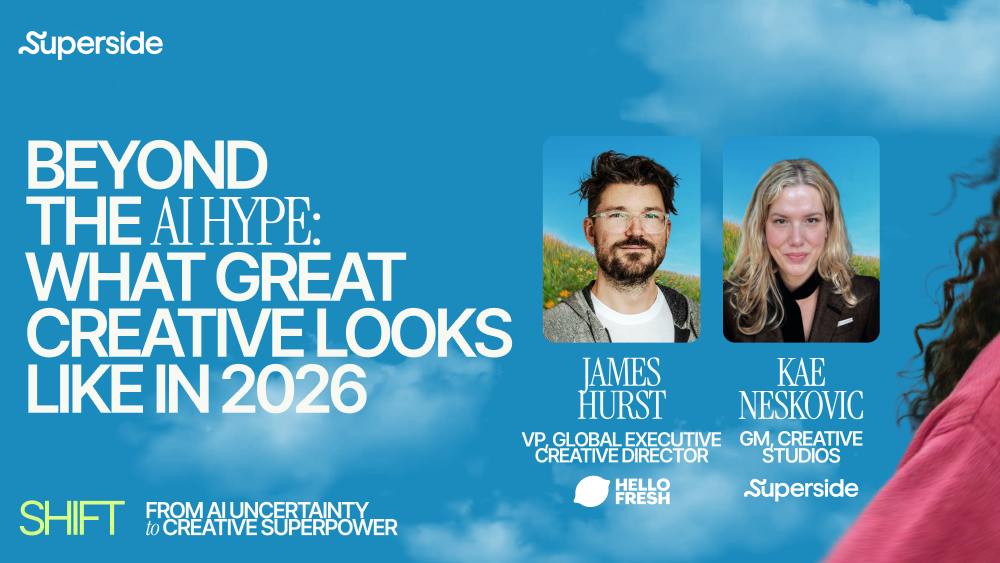
AI can make creative faster. It can make it scalable. It can even make it feel endless. But according to HelloFresh’s James Hurst, that only makes one thing more important: knowing what’s actually worth making.
For creative teams, the AI conversation has moved quickly from curiosity to urgency. Every day brings a new tool, a new workflow, a new promise that teams can produce more assets, more variations and more ideas in less time.
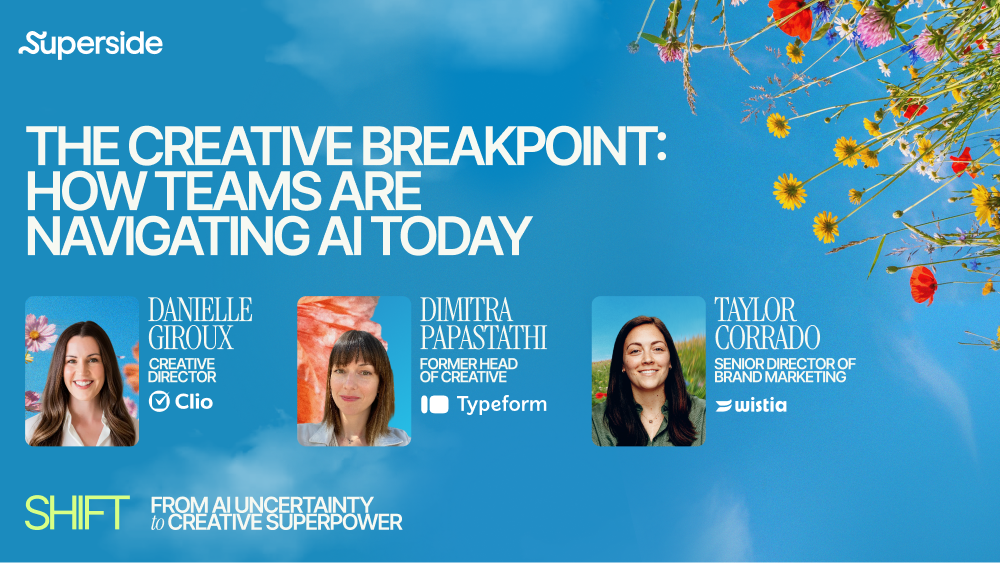
At Superside’s SHIFT Summit, we sat down with creative leaders from Clio, Wistia and Typeform to unpack a big question: What’s actually happening inside creative teams as AI reshapes the way we work?
Built on insights from Superside’s latest Breakpoint report, the conversation revealed a landscape full of opportunity, but also pressure, uncertainty and rapid change. Here’s what stood out.
Let’s make a bet.
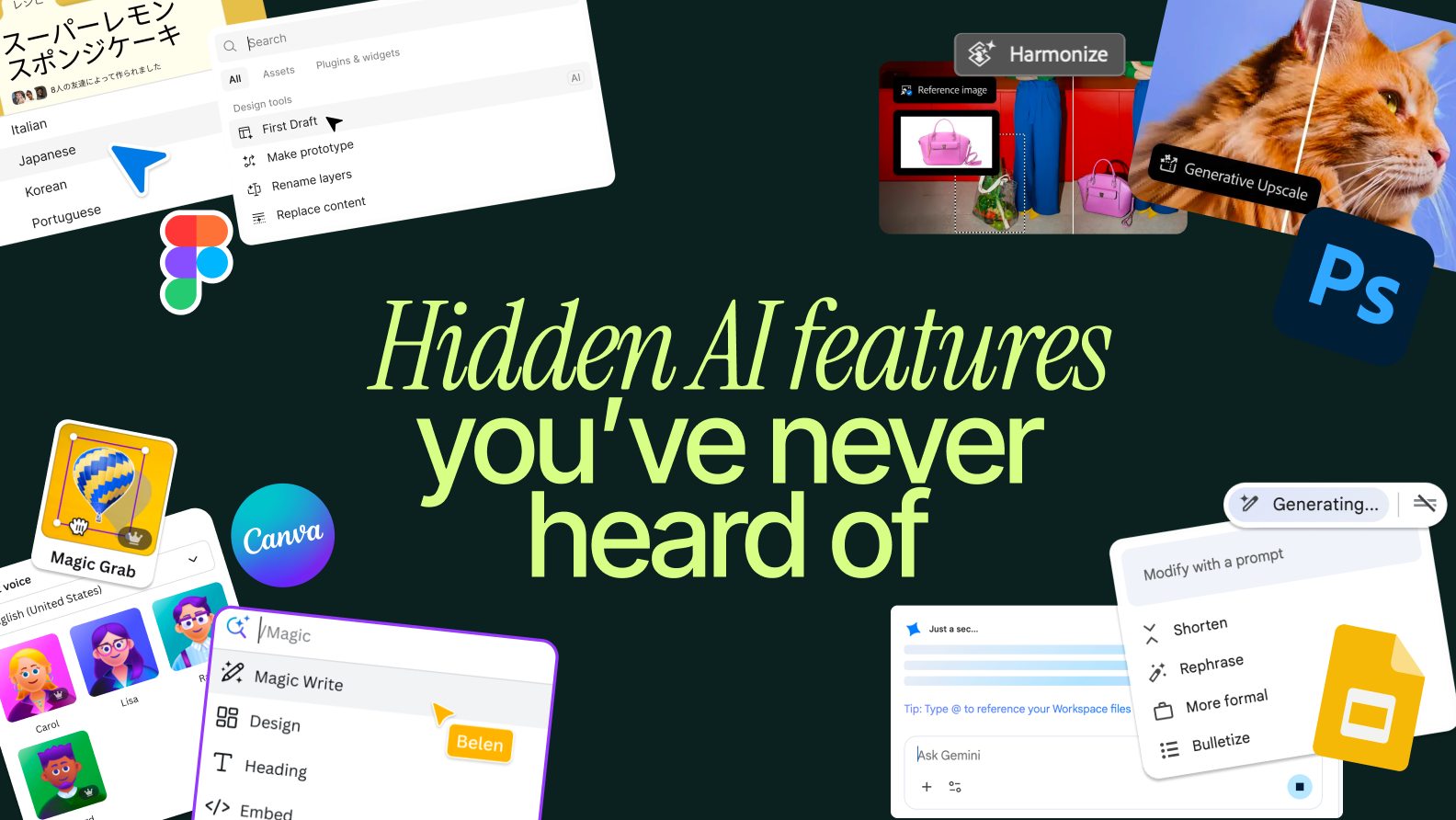
You use tools like Figma, Photoshop, Canva, and Google Slides almost every day, and still, you’re barely scratching the surface of what their AI can do.
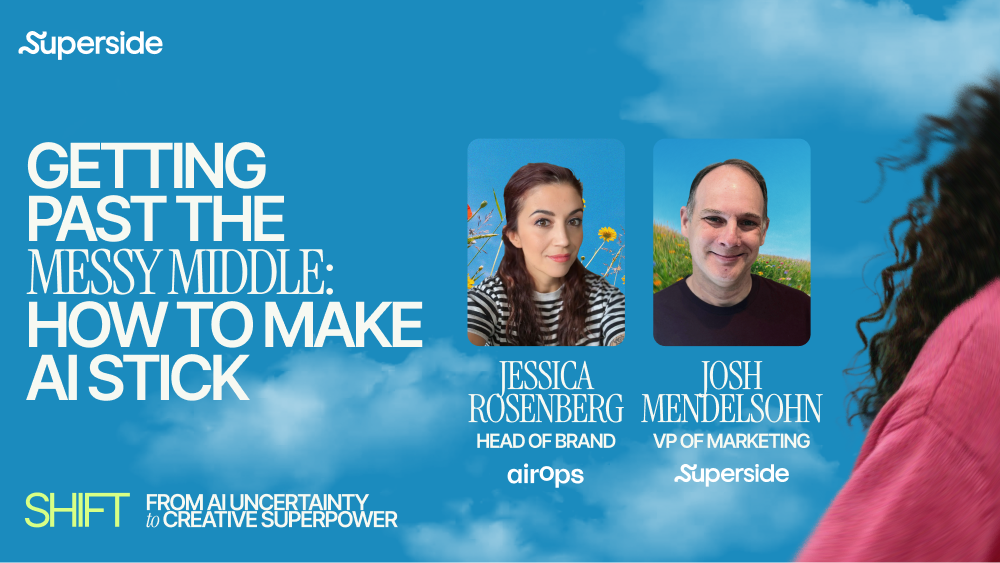
What does it actually take to make AI work for creative teams, not just in theory, but in practice?
At Superside’s SHIFT Summit, we heard directly from the people navigating it in real time. From creative leaders rethinking workflows to building entirely new systems, one thing became clear: AI isn’t the breakthrough. How you use it is.
Creative teams don’t need more AI hype. They need practical, proven applications—and real results.
The real question is: where does AI actually create measurable capacity — and how do you apply it without sacrificing judgment?