



Category
Leading a team—or an industry—is no small feat. Workloads are heavy and timelines are tight, but we’ve got your back. Get insights that make the grind easier and the wins even bigger. Creative Leadership

Cost per asset: in-house vs. agency vs. creative subscription
When it comes to creative cost benchmarks, only one question matters at enterprise scale. What's the total cost of each finished, on-brand asset? It's tempting to assume the model with the lowest hourly rate is best for your budget. But hourly rates, retainers and salaries rarely show the full picture.
What enterprise creative actually costs in 2026
Ask "how much does creative cost?" and you'll usually hear "how long is a piece of string?" It's a hard question to answer, because the price of creative depends on how you buy it, what you need, how much you need and who makes it.
Hiring AI creative talent: why it's harder than it looks in 2026
Ask any creative leader what they need right now and you'll likely hear the same answer: people who can produce excellent creative work and use AI to do more of it, faster. Finding them is another matter. Exceptional creative thinking has always been hard to find, and proven AI expertise is still in short supply. Requiring both capabilities in the same person narrows the pool considerably.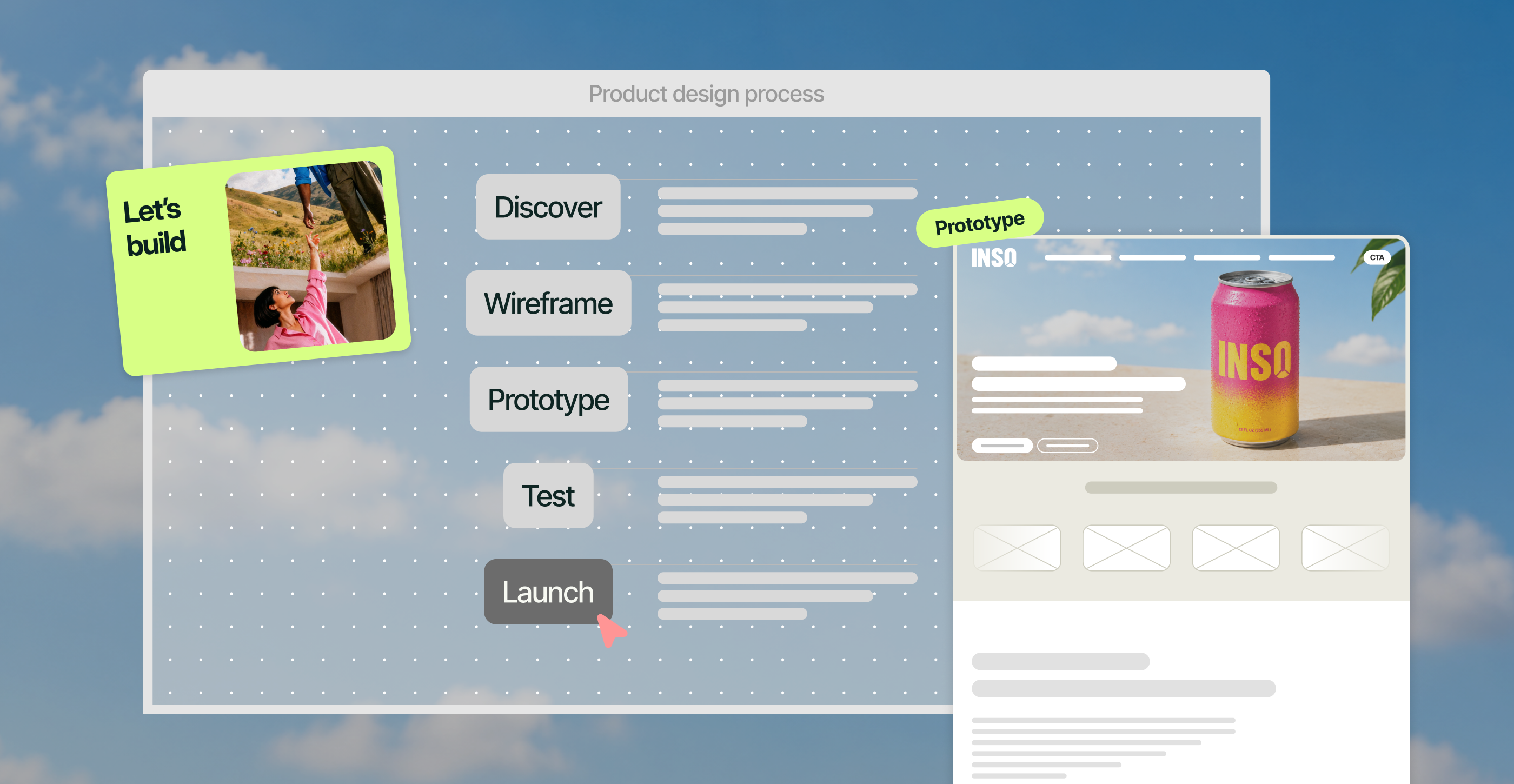
11 product design consulting firms worth shortlisting in 2026
Design used to be the pretty bow added at the end of a product project. Over the last few years, that has changed. Digital products are now one of the main ways companies deliver value, and the quality of the experience directly influences adoption, retention and revenue. A confusing signup flow or messy dashboard doesn't just annoy users. It quickly eats into profits.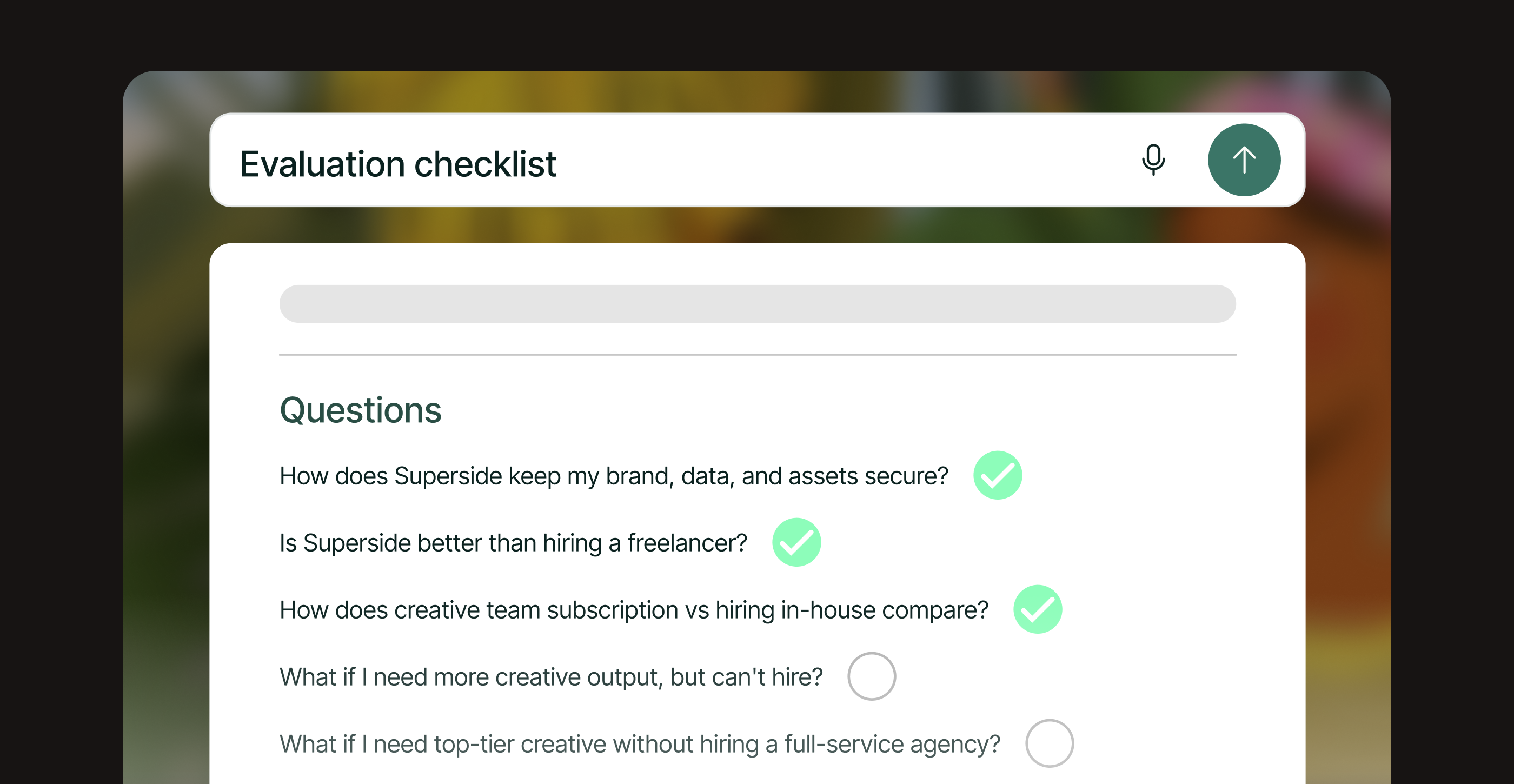
12 sets of questions to ask a design agency before hiring it in 2026
A solid design agency or creative partner can change how much your team gets done, how consistently your brand shows up in the world and how quickly your campaigns reach the market. Many agency evaluation checklists stop at portfolio, price, design processes and timelines. Those elements matter, but today's enterprise marketing teams also need to understand how a potential design partner uses AI, protects data, maintains brand consistency and responds when creative demand spikes.
Finding a design partner, not just another vendor: A 2026 guide
Finding a design partner can look deceptively simple. Find a team whose work you like, check that you can afford them and make sure they can meet your deadlines. But if you're looking for a partner who'll support your creative team for years to come, there's much more at stake. The right partner plugs into how you work and gives you access to specialist skills and capacity when you need them most.
How to prevent creative production burnout while scaling your team
Hiring adds capacity, but it doesn't remove the friction. Below you'll find how to spot creative operations debt in your team, what to check on your own side and how to get better output from the creative partnerships you already have. Most marketing leaders facing creative production burnout assume the answer is hiring. Add another designer, bring on a contractor, expand the team.