



Our CPL decreased 50% With UGC-Stye ads. Yours could too.

At Superside, we bet big on video, and it's been paying off. In particular, UGC-style video ads delivered a 3x increase in lead acquisition and cut our cost per lead by 45% month over month.
A lot of what we’ve learned will challenge your assumptions about effective B2B marketing. Here are our top three, battle-tested learnings for UGC video ads. Hopefully, this will help you start experimenting with video and improve your next campaign.
3 Battle-Tested Learnings for UGC-Style Videos You Should Steal
When we say “UGC-style videos,” we’re not talking about videos with influencers in them. Rather, we’re referring to videos shot in a classic, first-person UGC-style, like this:
In fact, we tested influencer-led UGC videos vs. the same script delivered by our own talent… and to our surprise, the version with our talent performed better.
The takeaway? You don’t need a stacked influencer strategy to reap the benefits of UGC-style video. Mimicking a UGC tone and style with in-house video can do the trick.
Naturally, we dug deeper into UGC-style videos and created ad campaigns for three of our most popular guides. Here’s what we learned in the process…
1. Tap into your audience’s aspirations and curiosity instead of rehashing pain points
We experimented with a lot of openers and found that an aspirational, curiosity-driven question performed better than a question that touched on a pain point.
For example, a video that opened with, “Wanna know how brands like Adobe run their marketing teams?” performed better than one that asked, “Is your design team in a rut?” It seems when it comes to problem-solving, curiosity beats empathy.
2. Script skits into your videos
Integrating short, relatable skits into your videos is a great way to capture attention. Note, we found ads that led with a skit then cut to an “influencer” performed better than ads where the actors in the skit interacted with the main “influencer” directly.
This may seem like a small insight, but it’s valuable to know you don’t need the “actors” and “influencers” in the same scenes when coordinating filming schedules.
3. Emphasize your audience’s strengths before pointing out the gaps you can help fill
Sprinkling in a little flattery also works well! In one of our ads, we started by listing the strengths of the target audience and it performed better than the variation that jumped straight into details about the guide being promoted.
This tactic shows your company’s industry knowledge and also creates a direct connection between you and your audience.
Unlock the Full Value of Video Marketing
There’s no question, stellar video marketing can help you stand out online. But not every marketing team has access or capacity to experiment with video, let alone scale it.
The solution? A Creative-as-a-Service (CaaS) like Superside is a great way to get high-quality video, while keeping costs and risks low.
Whether you need video-editing, story-boarding, shooting or end-to-end support, our world-class creatives can plug right into your team… so you can get video fast, at scale and without any of the hassle.

You may also like these
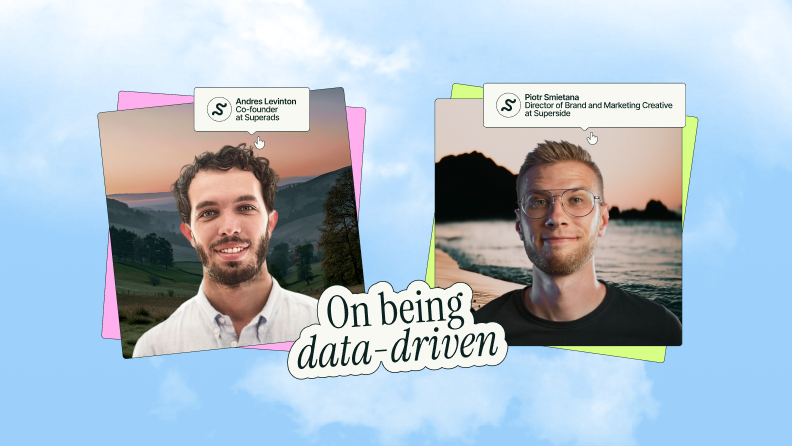
More than a feeling: Inside a marketing-creative duo's data-driven mindset
Great campaigns don’t just look good—they perform. But getting creative to yield real business results requires more than just good instincts or a clever tagline.In today’s landscape, where every impression counts and attention is scarce, you need strategy. You need insight. And most importantly, you need alignment between the creative and the data.In other words, being data-driven is essential. For Andres Levinton, Co-founder at Superads, and Piotr Smietana, Director of Brand and Marketing Creative at Superside, this doesn’t mean choosing data over creativity—it means using both, intentionally. Levinton and Smietana dug into what that looks like in our latest guide, Inside Great Creative Partnerships, including: Why dashboards aren't everything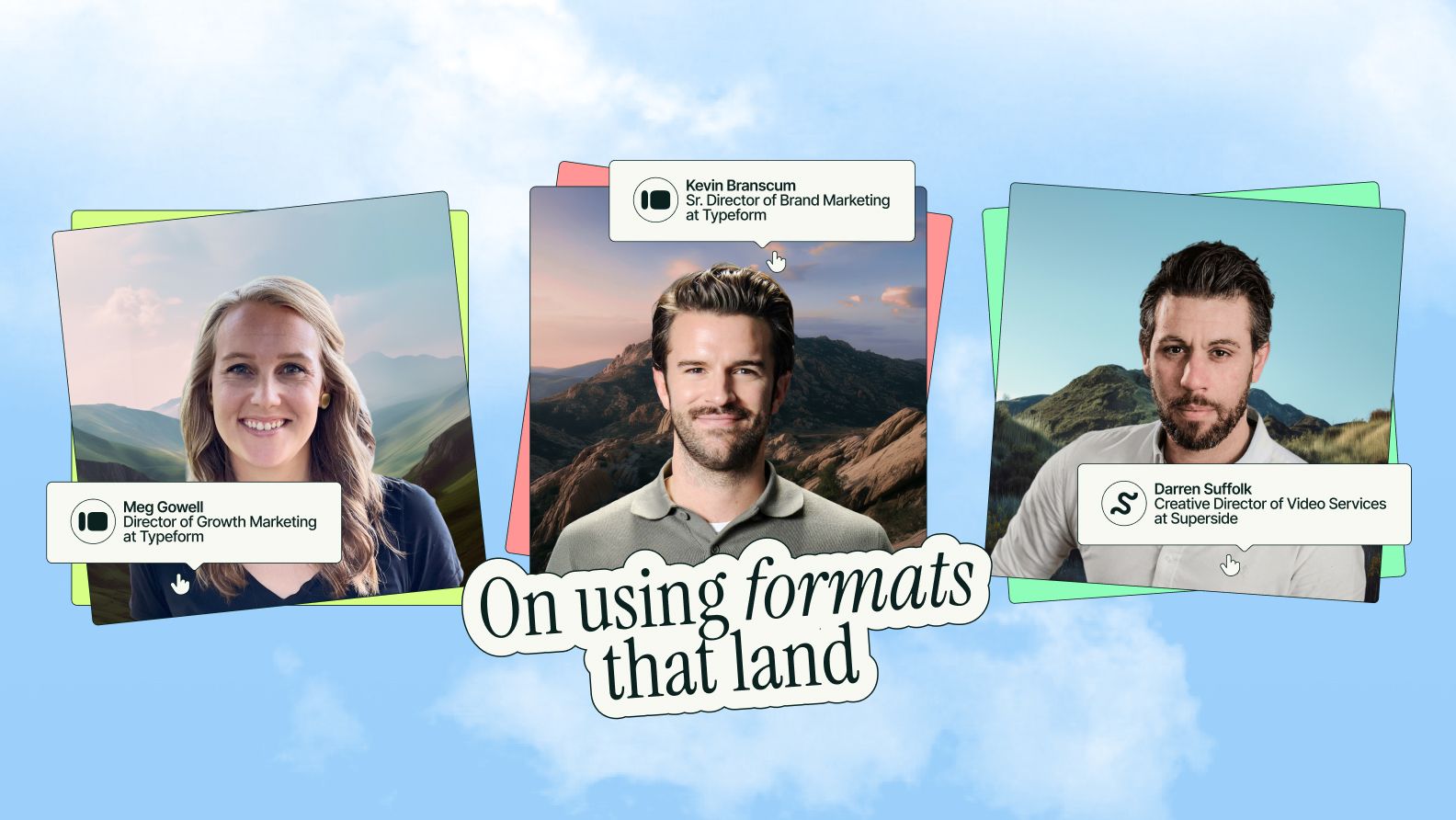
Formats that land: Inside a growth and brand team's recipe for results
There’s no singular formula for breakthrough creative.But if there’s a throughline, it’s this: The formats you choose matter as much as the message you’re trying to send. In an era where attention is currency, getting the right mix of video, visuals and content isn’t just a nice-to-have—it’s a growth imperative.To unpack what that mix looks like, we talked to Meg Gowell and Kevin Branscum, from Typeform’s growth and brand teams, and Darren Suffolk, from Superside’s video team for our latest guide: Inside Great Creative Partnerships. Bringing together both the creative and marketing perspectives, they shared: What success looks like across teamsWhy video (still) wins
7 event marketing strategies to sharpen your focus in 2025
Events create memories and momentum in ways other marketing tactics simply can’t match.With an ROI of between 25% and 34%, it’s no surprise that most marketers (80%) believe live events drive company success. Over 40% consider them the single most effective marketing channel.Every event is an opportunity to differentiate your brand and build trust. But many companies struggle to fill seats. In the age of information overload, event success requires performance-driven, multichannel event marketing strategies and scalable creative execution.Need to devise a brilliant campaign plan and match it with good creative? This event marketing article will help you nail both. Through tried-and-tested event marketing strategies and great campaign examples and insights from Monika Żmuda, Event Marketing Manager at Superside, and Diana Kolesarova, Sr. Event Marketing Manager, you’ll discover how to draw in the right crowd and create events that deepen engagement with your brand.What makes a great event succeed? Its creative marketing strategy