


Category
All Things Brand

How to measure a rebrand: the metrics, framework & proof that it worked
The new logo design lands. The website goes live. The launch video is shared. Then everyone has an opinion, and before you know it, the CEO asks, "Did the rebrand work?" For many marketing leaders, that's when the scramble starts. Without a pre-launch baseline or measurement plan, they can report what launched, but not whether the rebrand actually changed brand awareness, public perception or business performance.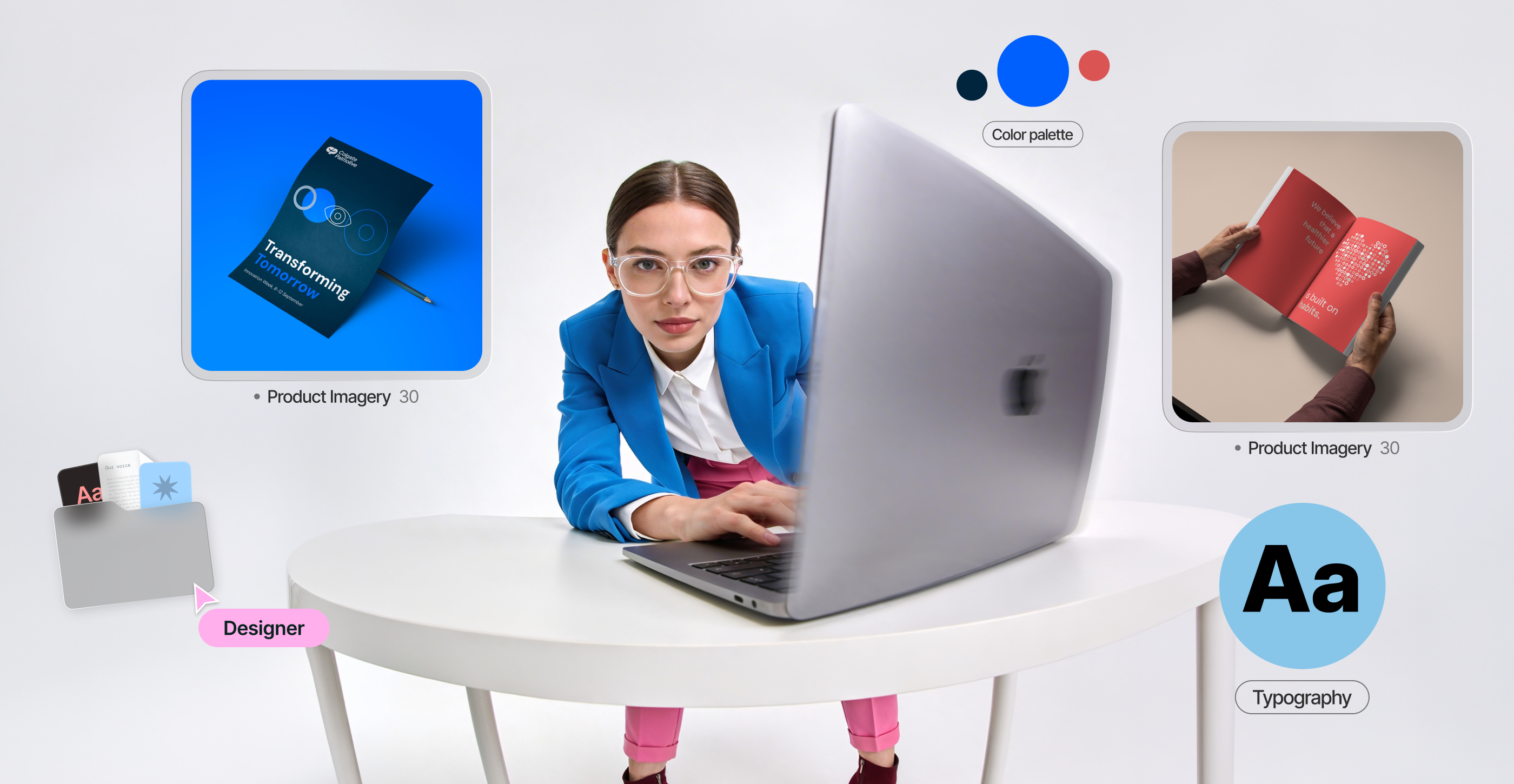
Brand architecture: models, strategy and real examples in 2026
Brand architecture starts with a simple question: how should our brands relate to each other? The answer determines whether products share the parent brand's reputation or stand alone, and whether new launches build on existing brand equity or start from scratch. Ultimately, it shapes whether audiences see a clear, connected portfolio or a collection of unrelated brands.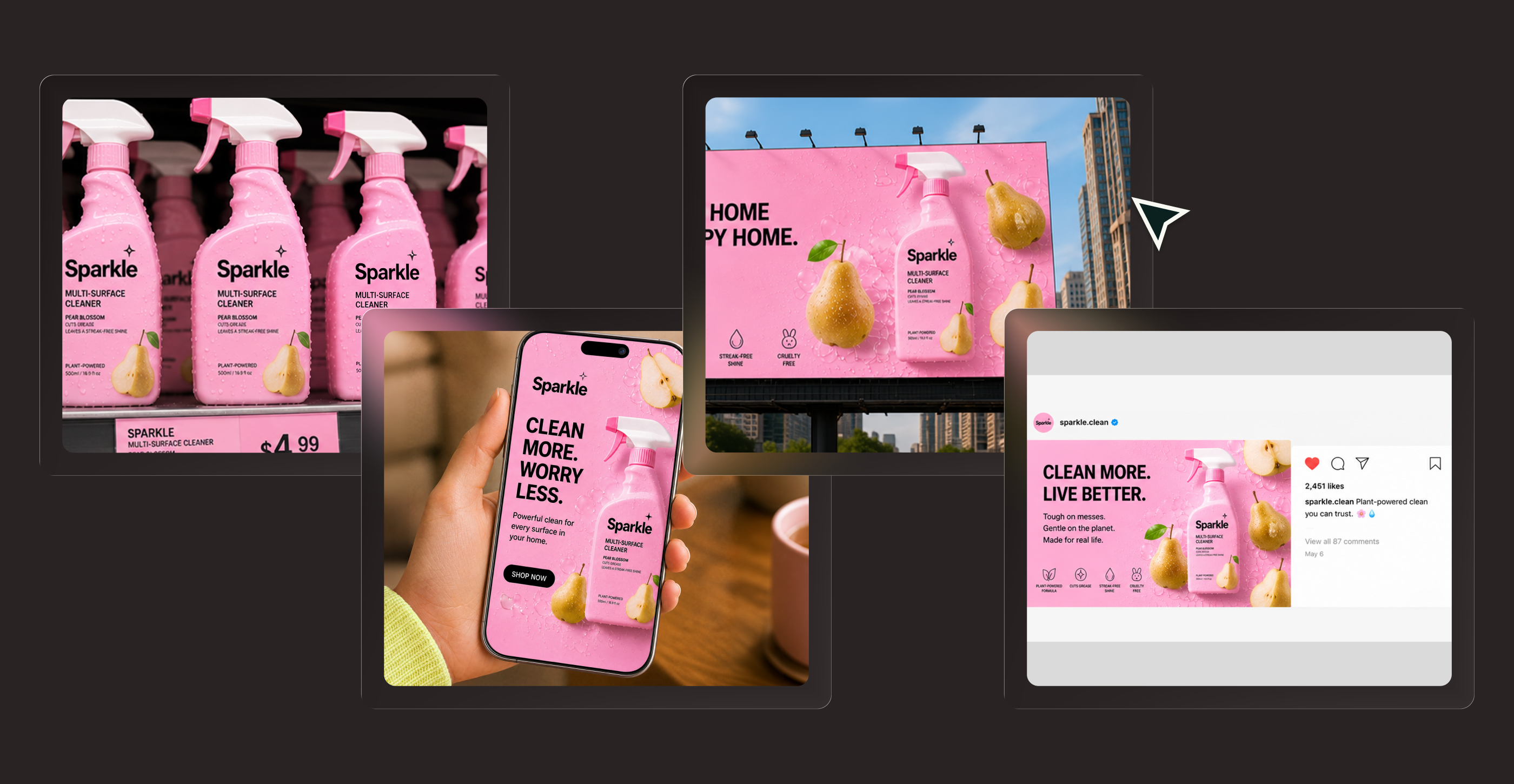
CPG branding beyond the package & how consumer brands win at scale
In consumer packaged goods, branding is often treated as a packaging exercise. Yet packaging is only the jacket a product wears, its most visible expression rather than the full story. As private-label ranges expand and shoppers encounter brands across shelves and screens, an attractive pack alone is unlikely to create lasting preference. The brands that stand out in 2026 build trust, loyalty and scale with coherent brand systems that express the same distinctive character at every touchpoint.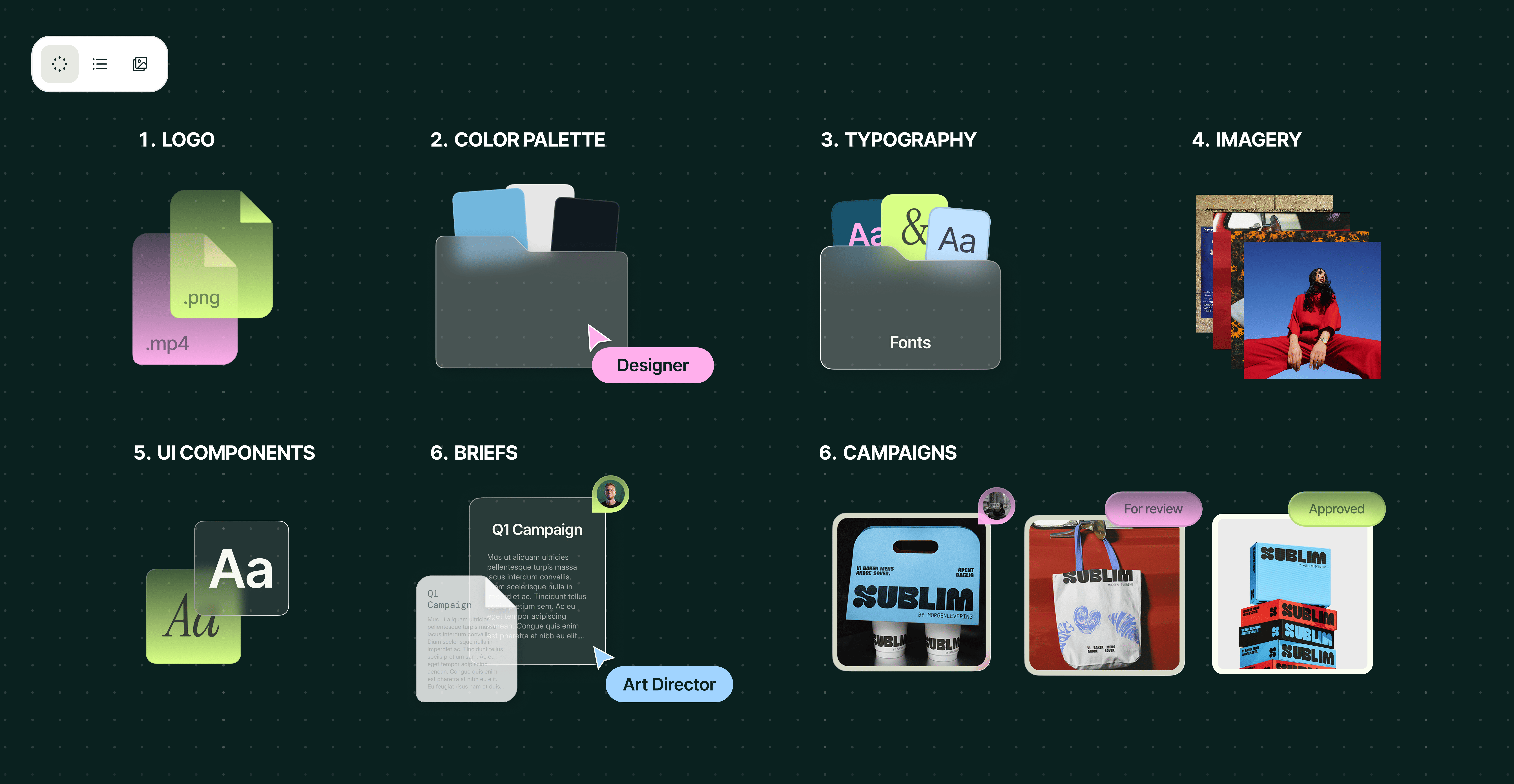
How to scale design systems for enterprise brands in 2026
The story is familiar. An enterprise spends months building a design system, celebrates its launch and then watches it slowly unravel. Six months later, regional teams are back to building their own decks, and the product team has drifted from the color palette. Then comes the inevitable game of "which version is the latest?"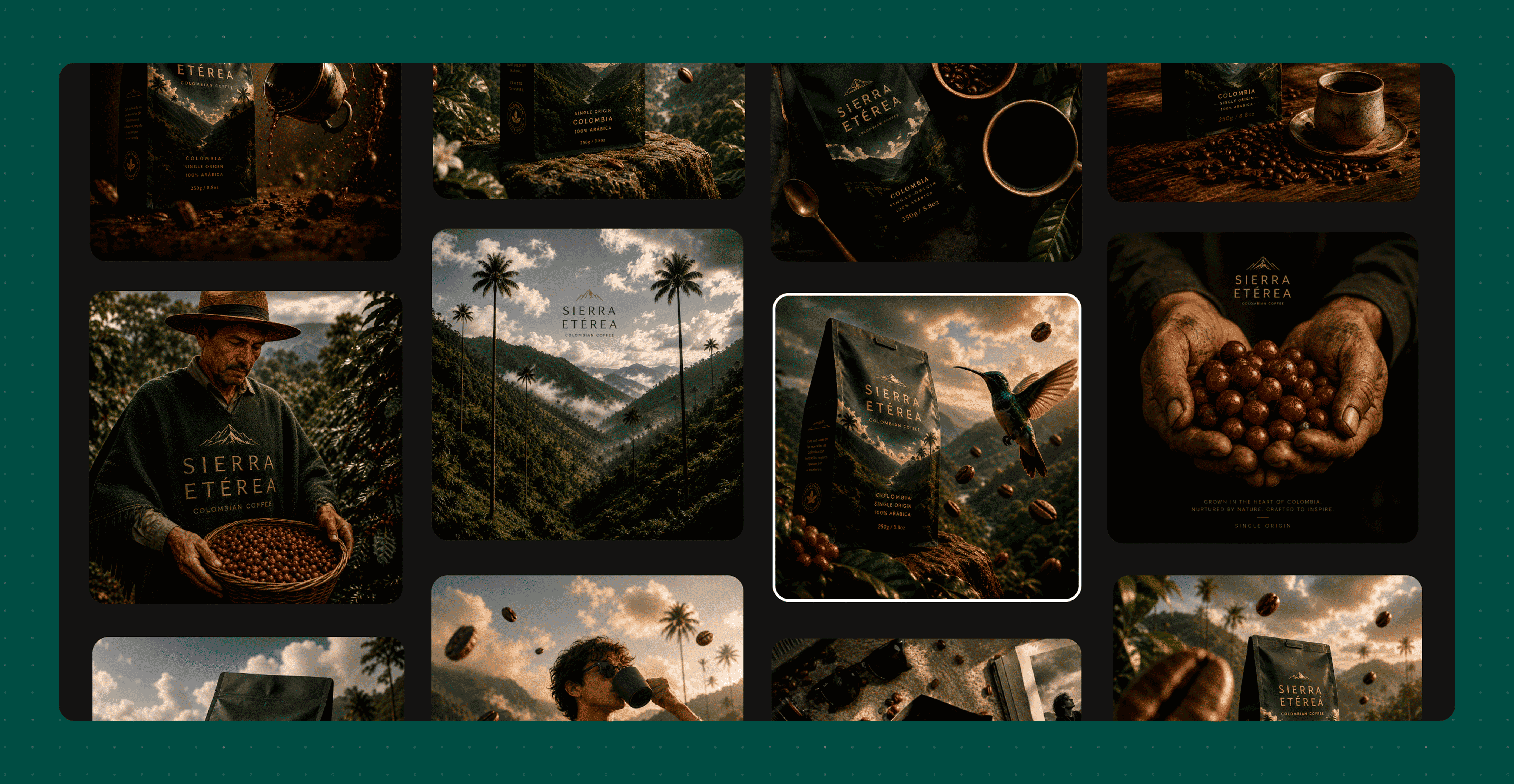
How enterprise marketing teams maintain brand consistency at scale
You're managing more channels, formats, markets and variations than ever before. At the same time, your team is expected to keep every asset on-brand, usually without additional budget or headcount. For a while, the team holds both volume and consistency together by sheer effort. Your best designers stay late, and you personally eyeball every asset before it's sent off. Then the workload grows, deadlines tighten, and you simply can't do all those last checks yourself anymore.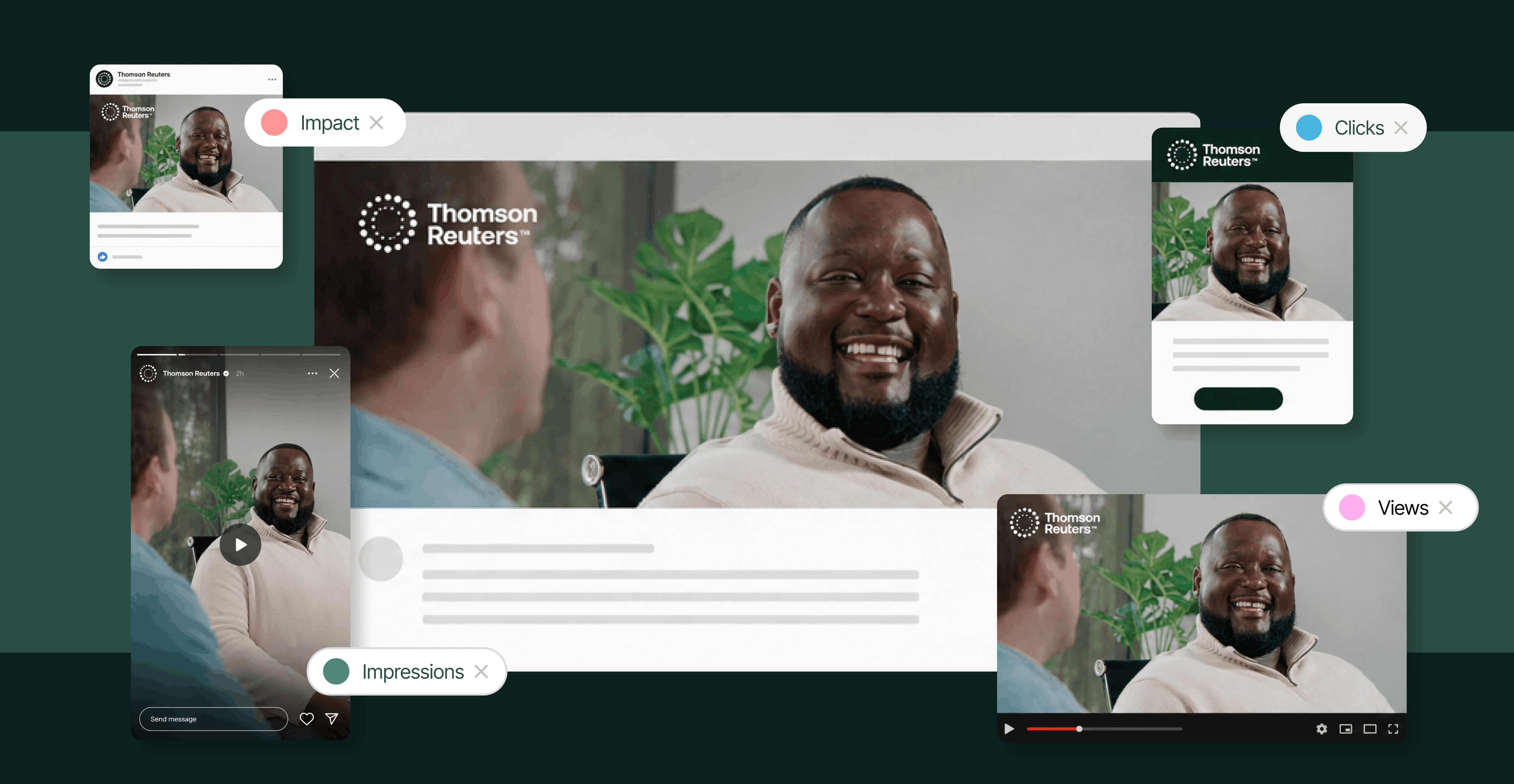
How Enterprise Brands Scale Customer Storytelling Across Marketing Channels
You land a customer story with real emotional weight and compelling proof. Then it becomes a single video, post or testimonial page that disappears from the homepage or your social feed a few days later. If this sounds familiar, you're in good company. Many marketing teams still treat customer stories as one-off deliverables rather than the valuable, reusable assets they are. The story is strong, but the team simply doesn't "sweat" the asset and create lasting value.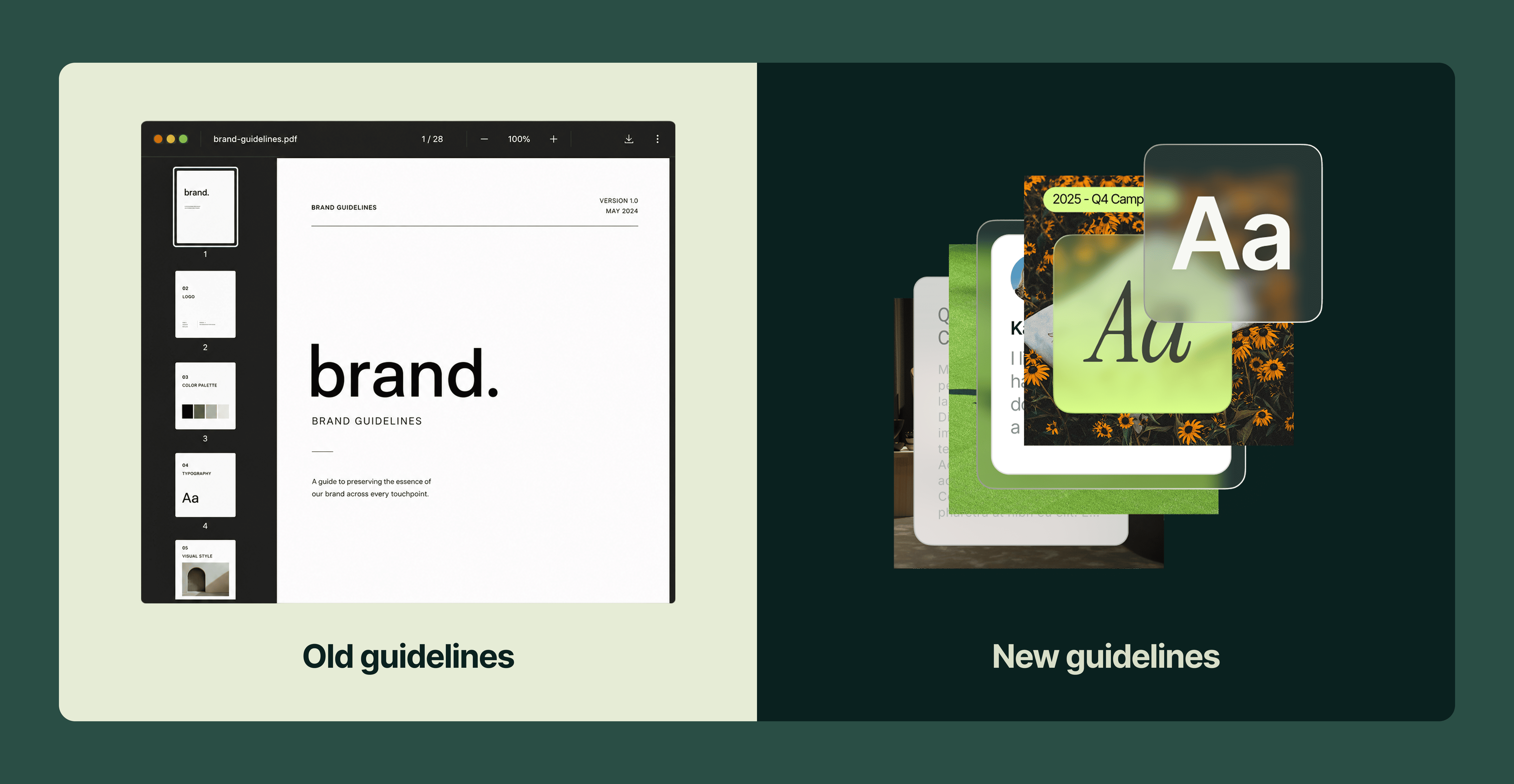
How brand guidelines are changing in the AI era
Think about who, or what, now develops your brand's creative assets. Your in-house creatives, a trusted agency or perhaps a few freelancers might still be involved. But if you're like most enterprise teams, a growing share of your content now comes from an AI model. The problem? People are no longer the only ones who need to understand and apply these style guides, and machines interpret things very differently from humans. A line of text that reads "our blue is warm and optimistic" means something to a designer, but very little to an AI model that thinks in hex values.